Northern Lights cruise from Greenland to Canada
Nuuk (Godthaab) - Nuuk (Godthaab)
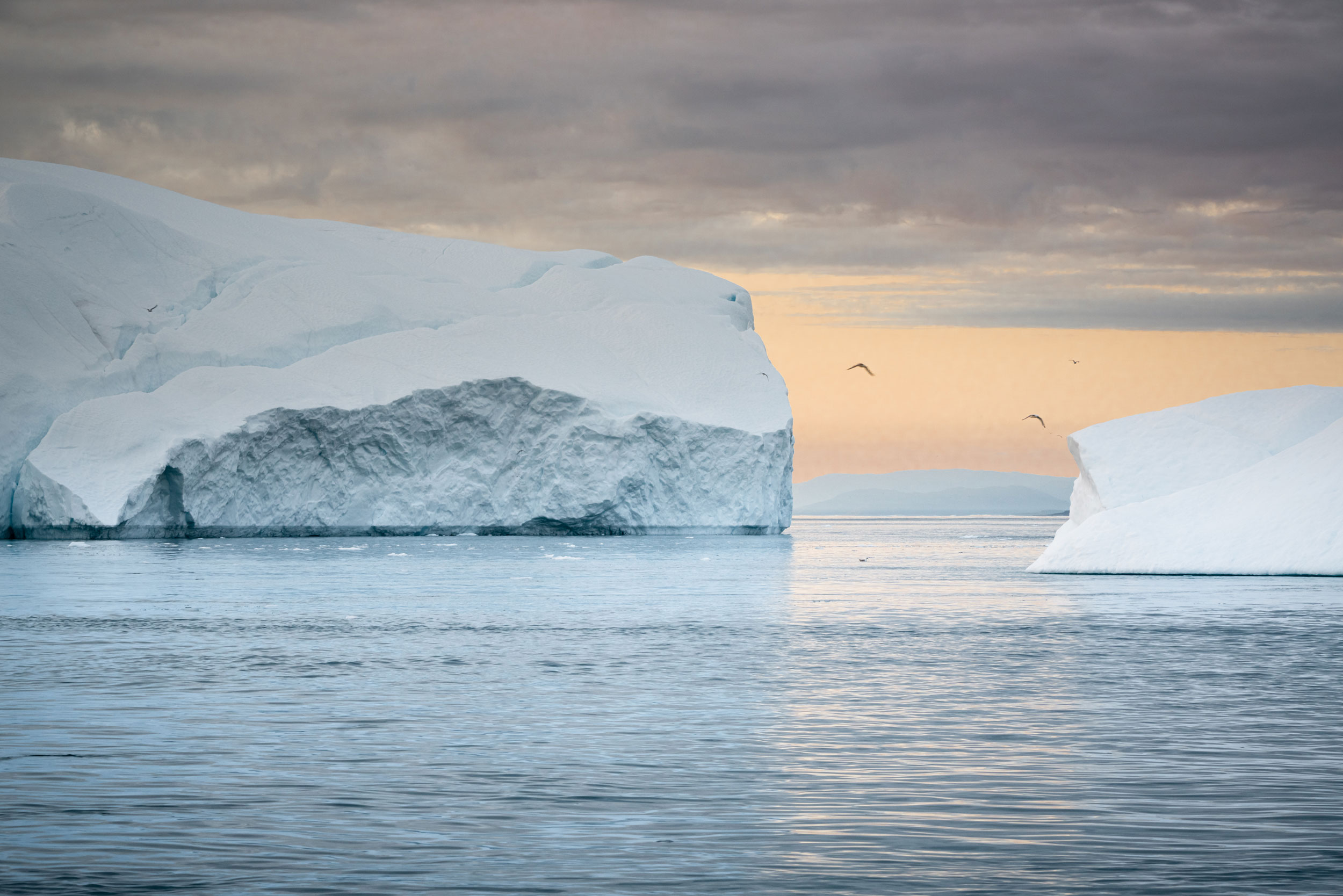
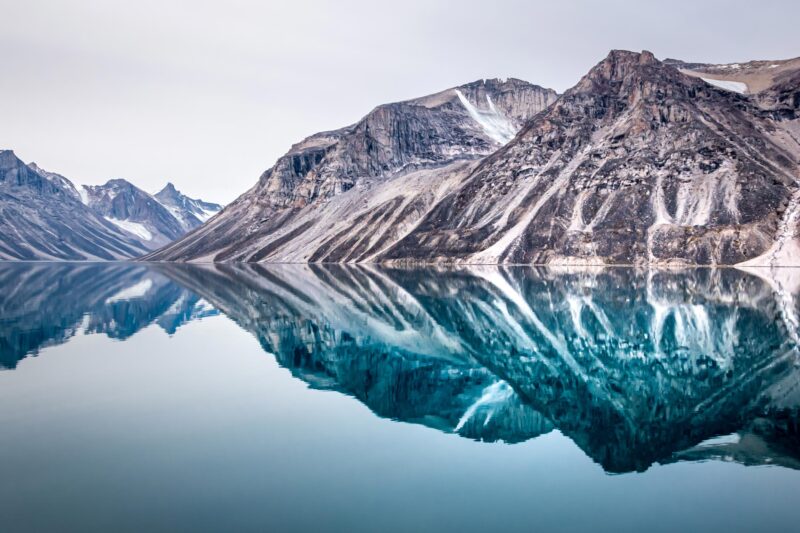
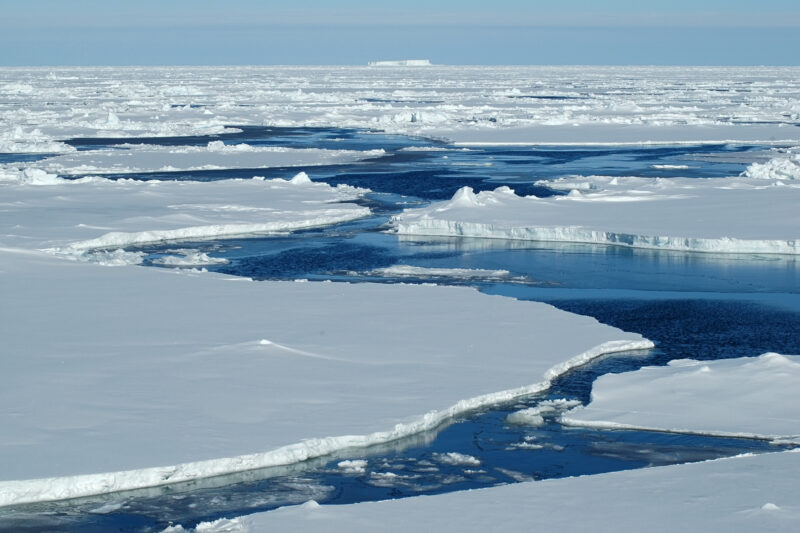
Embark on a captivating Northern Lights cruise from Greenland to Canada, tracing the historic ice-filled Northwest Passage. This luxurious round trip begins and ends in the vibrant capital of Nuuk, Greenland, and journeys through breathtaking locations like Sisimiut, Disko Bay, and Pond Inlet, eventually taking you to the dramatic Arctic waters of Canada’s Nunavut. The cruise offers incredible encounters with varied landscapes and wildlife. Explore Nunavut’s Arctic coast, home to polar bears and narwhals, experience Greenland’s iconic icebergs, and visit remote Inuit communities with colorful homes.
Uncover the heritage of the Ilulissat Icefjord in Disko Bay and delve into the intriguing exploration history in places like Radstock Bay. Take part in a multitude of activities designed for an unforgettable luxury cruise experience. Engage in kayaking with the expedition team, enjoy expert lectures, and sharpen your photography skills. Spend leisurely sea days mingling with fellow travelers, or savor panoramic ocean views from the shipтАЩs observation decks, all while soaking in the rich exploration history of this mesmerizing region.
Activities
Hiking
Lectures
Polar Plunge
Sea Kayaking
Wildlife Watching
Zodiac Cruises
Itinerary
Day 1
Nuuk (Godthaab)
Trace a path along the Northwest Passage, following a historic ice-filled route that challenged explorers. Sail from Greenland, the iceberg capital of the world, through icy straits and fjords before navigating some of the most active glaciers in the world. Discover NunavutтАЩs Arctic coast, home to caribou, polar bears and narwhal, and visit Inuit communities with colourful homes, as you immerse yourself in the region's rich exploration history.
Nuuk, meaning тАЬthe capeтАЭ, was GreenlandтАЩs first town (1728). Started as a fort and later mission and trading post some 240 kilometers south of the Arctic Circle, it is the current capital. Almost 30% of GreenlandтАЩs population lives in the town. Not only does Nuuk have great natural beauty in its vicinity, but there are Inuit ruins, Hans EgedeтАЩs home, the parliament, and the Church of our Saviour as well. The Greenlandic National Museum has an outstanding collection of Greenlandic traditional dresses, as well as the famous Qilakitsoq mummies. The Katuaq Cultural CenterтАЩs building was inspired by the undulating Northern Lights and can house 10% of NuukтАЩs inhabitants.
Day 2
Sisimiut (Holsteinsborg)
Located just north of the Arctic Circle, Sisimiut is the northernmost town in Greenland where the port remains free of ice in the winter. Yet it is also the southernmost town where there is enough snow and ice to drive a dogsled in winter and spring. In Sisimiut, travelling by sled has been the primary means of winter transportation for centuries. In fact, the area has been inhabited for approximately 4,500 years. Modern Sisimiut is the largest business center in the north of Greenland, and is one of the fastest growing Greenlandic cities. Commercial fishing is the lead economy in the townтАШs thriving industrial base.
Day 3
Disko Bay
Day 5
Pond Inlet, Nunavut
Located in northern Baffin Island, Pond Inlet is a small, predo┬мminantly Inuit community, with a population of roughly 1,500 inhabitants. In 1818, the British explorer John Ross named a bay in the vicinity after the English astronomer John Pond. Today Pond Inlet is considered one of Canada's "jewels of the North" thanks to several picturesque glaciers and mountain ranges nearby. Many archaeological sites of ancient Dorset and Thule peoples can be found near Pond Inlet. The Inuit hunted caribou, ringed and harp seals, fish, polar bears, walrus, narwhals, geese, ptarmigans and Arctic hares, long before European and American whalers came here to harvest bowhead whales. Pond Inlet is also known as a major center of Inuit art, especially the printmaking and stone carving that are featured in the townтАЩs art galleries.
Day 6
Cruising Croker Bay
Day 7
Radstock Bay, Devon Island
Devon Island is CanadaтАЩs sixth largest island and was first seen by Europeans in the early 17th century. The Thule culture had already settled there many centuries before, and left behind qarmat homes, made of rocks, whale bones, rock and sod walls, and skins for roofs that tell a story of over 800 years of human habitation. Other striking finds in this area are the many fossils of corals, crinoids and nautiloids that can be seen. Just across Lancaster Sound is Prince Leopold Island, a Canadian Important Bird Area, a federally listed migratory bird sanctuary, and a Key Migratory Bird Terrestrial Habitat site with large numbers of Thick-billed Murres, Northern Fulmars and Black-legged Kittiwakes that breed there.
Day 7
Beechey Island, Nunavut
Beechey Island is a small island off the southwest coast of Devon Island, separated by a narrow waterway called the Barrow Strait. Captain William Edward Parry was the first European to visit the island in 1819. His lieutenant, Frederick William Beechey, named the island after his father, the artist William Beechey (1753тАУ1839). Beechey Island played a significant role in the history of Arctic Exploration. During the winter of 1845-46, Sir John Franklin and his men camped on the island as part of their ill-fated quest to find the Northwest Passage. Mummified remains of three of FranklinтАЩs crew were discovered, giving a better understanding of what happened before the disappearance of the expedition. In 1850 Edward Belcher used the island as a base while surveying the area. Later, in 1903, Norwegian explorer Roald Amundsen stopped at the island at the beginning of his successful voyage in search for the Northwest Passage. Subsequently, Beechey Island has been declared a "Territorial Historic Site" since 1975 by the Northwest Territories government
Day 8
Prince Leopold Island, Nunavut
Day 8
Elwin Bay, Prince Regent Inlet, Nunavut
Day 9
Fort Ross, Nunavut
Day 9
Bellot Strait, Nunavut
Day 10
Cruising Peel Sound
Day 10
Coningham Bay, Nunavut
Day 12
Buchan Gulf, Nunavut
Day 13
Qikiqtarjuaq, Nunavut
Day 15
Nuuk (Godthaab)
Nuuk, meaning тАЬthe capeтАЭ, was GreenlandтАЩs first town (1728). Started as a fort and later mission and trading post some 240 kilometers south of the Arctic Circle, it is the current capital. Almost 30% of GreenlandтАЩs population lives in the town. Not only does Nuuk have great natural beauty in its vicinity, but there are Inuit ruins, Hans EgedeтАЩs home, the parliament, and the Church of our Saviour as well. The Greenlandic National Museum has an outstanding collection of Greenlandic traditional dresses, as well as the famous Qilakitsoq mummies. The Katuaq Cultural CenterтАЩs building was inspired by the undulating Northern Lights and can house 10% of NuukтАЩs inhabitants.
Map
Need advice?
No hard sell. Just excellent advice.
And Penguins.
- Guaranteed Best Operator Price
- 100% Financial Protection
- Free Travel Advice and Support
The Ship
Choose Your Cabin
Deck Plan