Save £500 off your polar cruise

Antarctica By Helicopter: Icebergs, Mountains and Remote Lands​

Buenos Aires - Buenos Aires

Choose Your Date
Loading new tour date...
Next Step - Choose Your Cabin
Ultramarine
199 Guests
12 Days
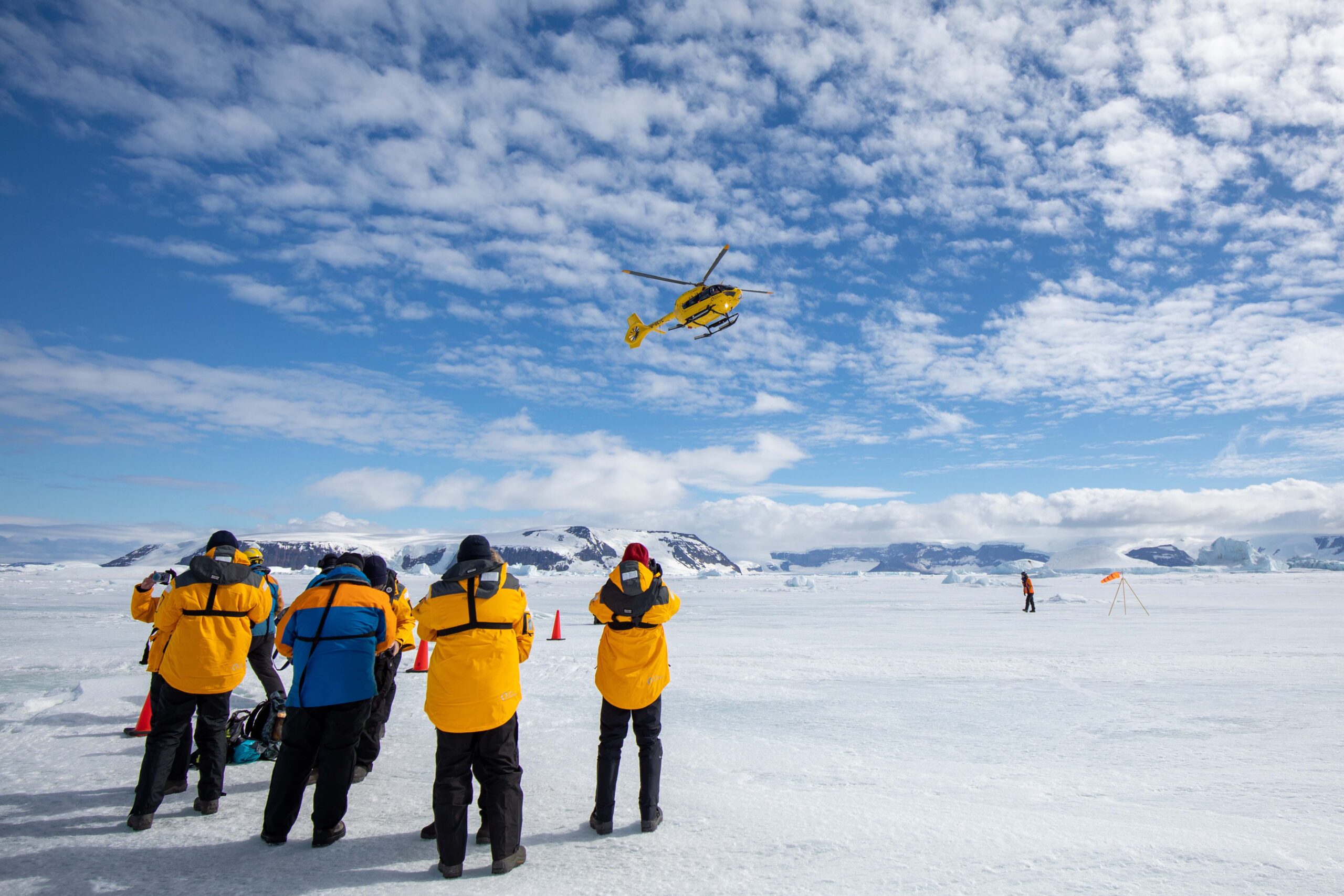
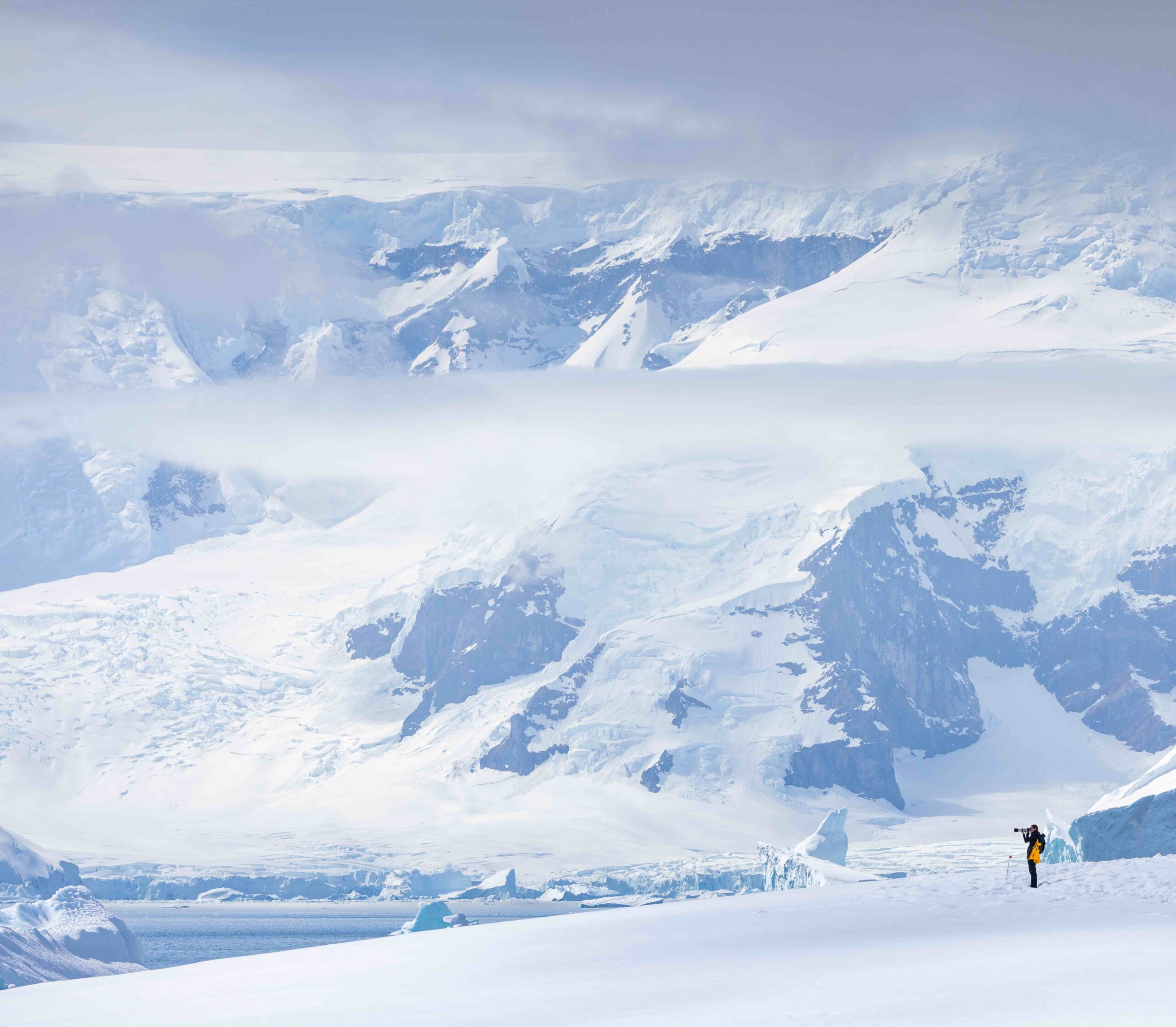
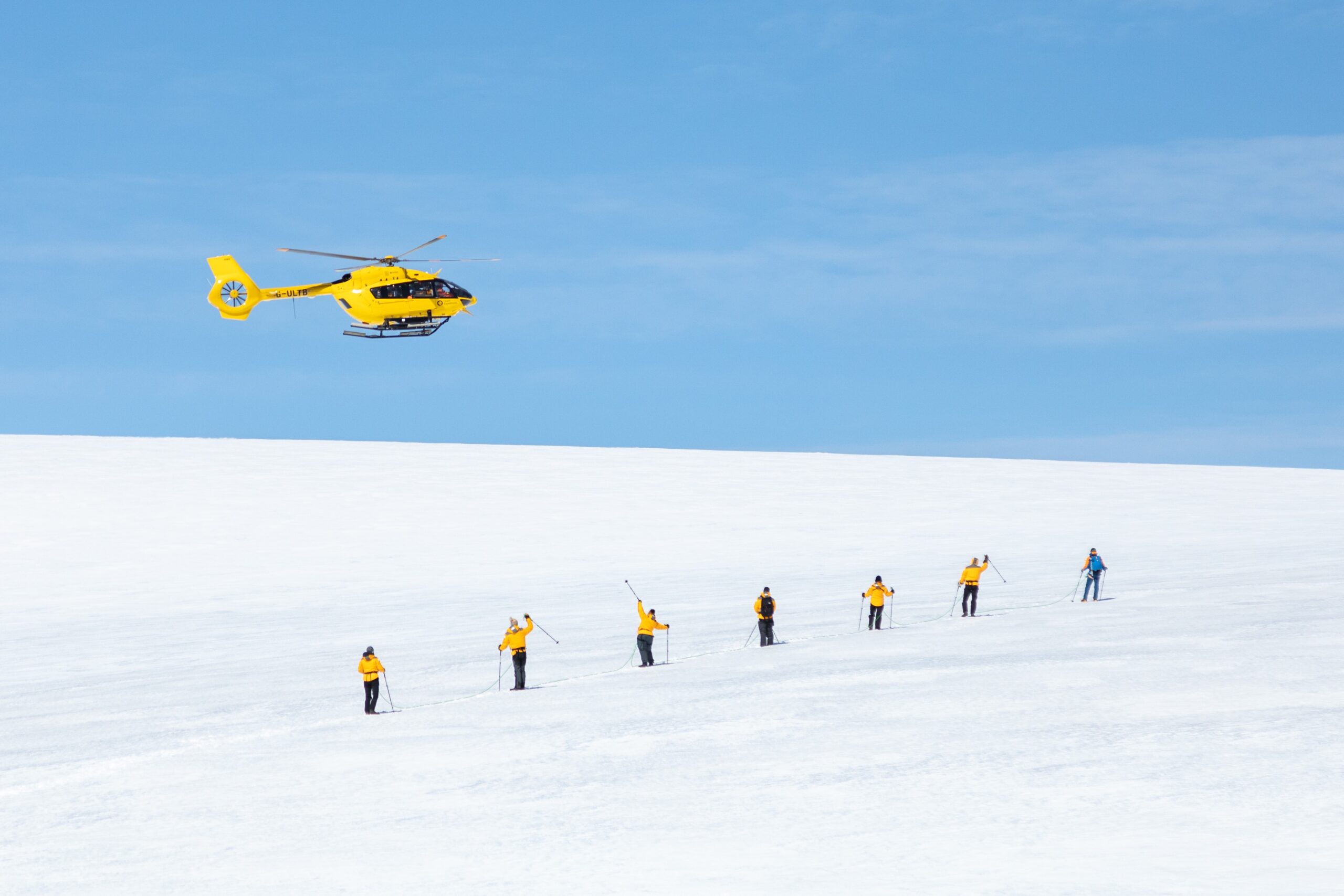
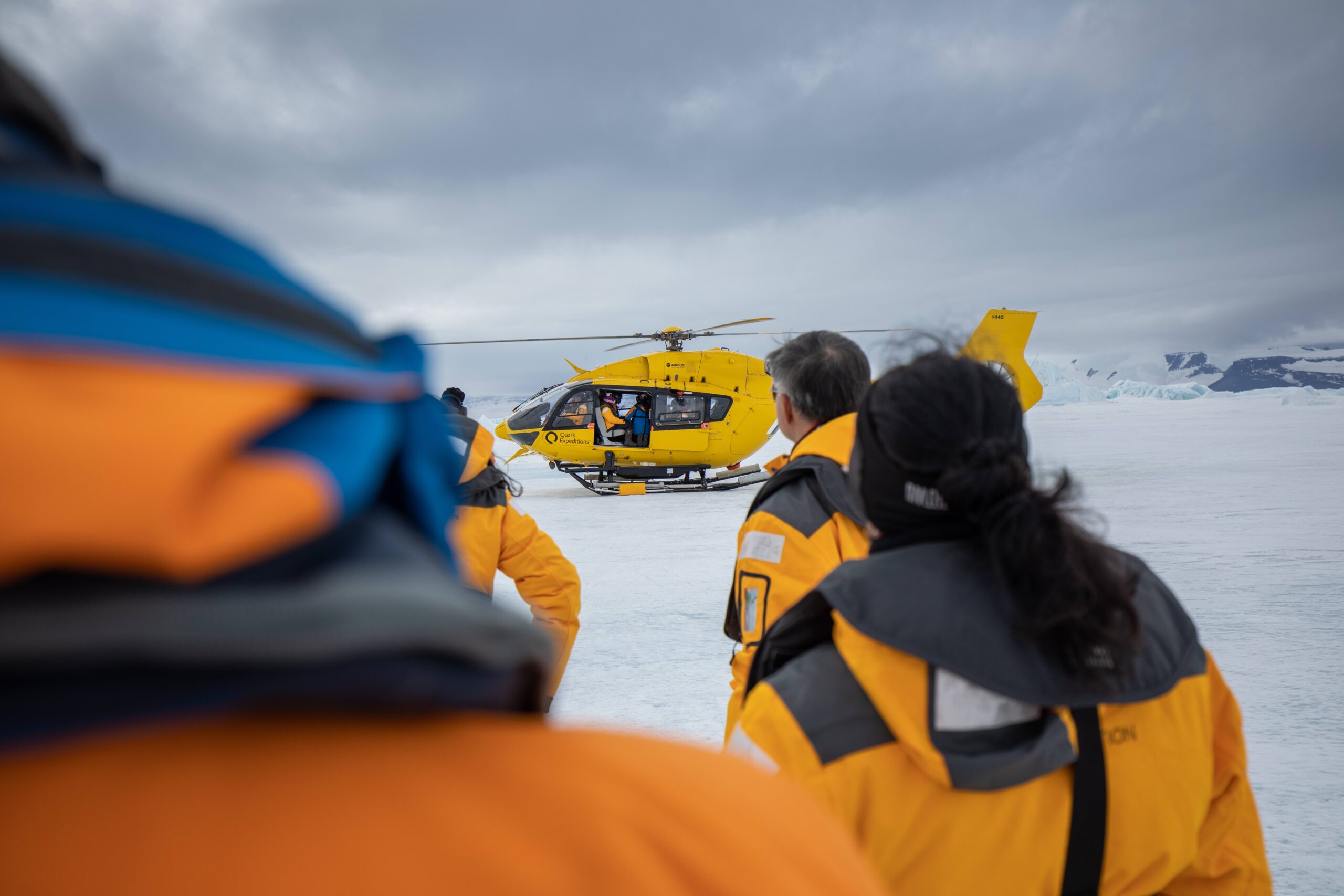
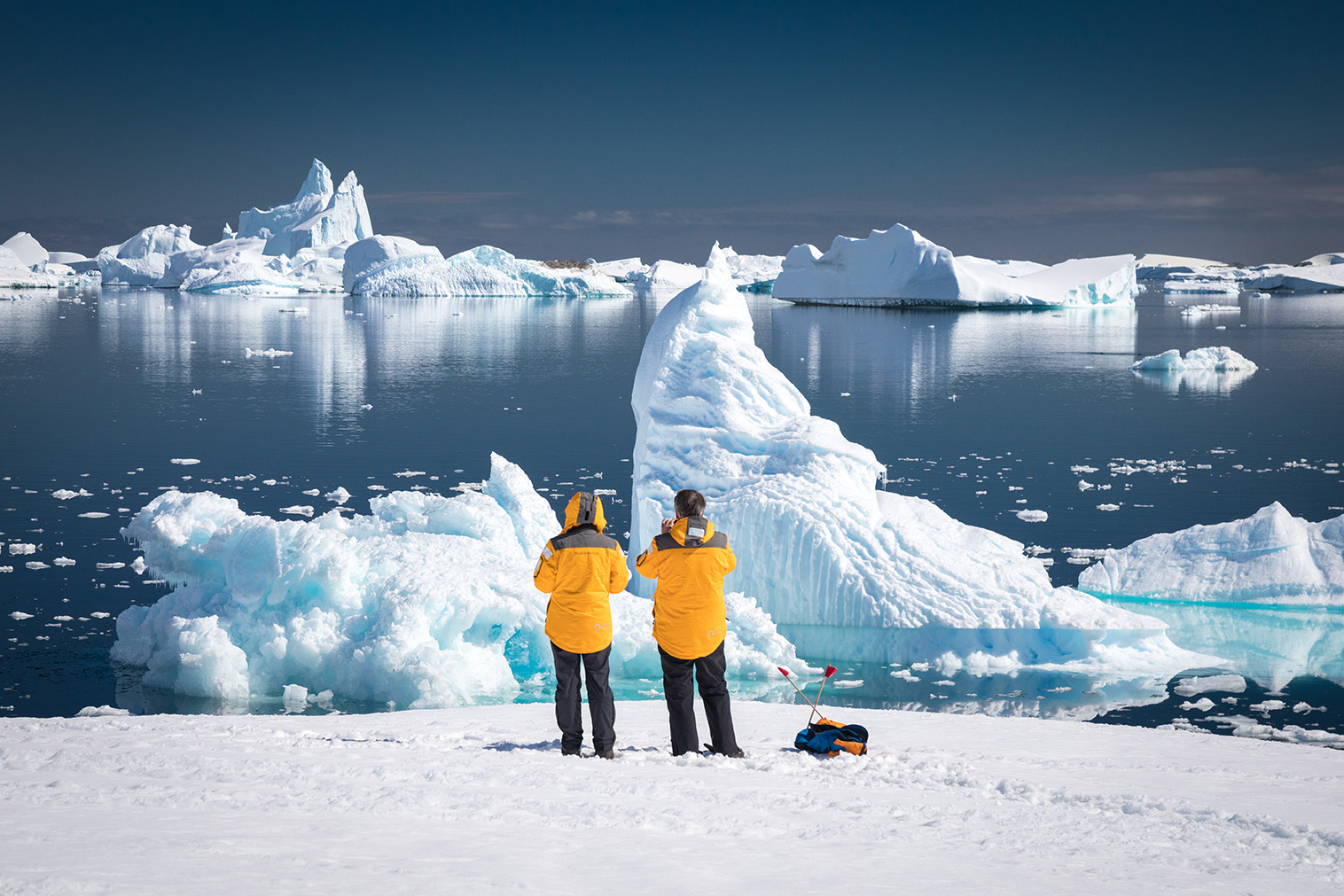
Soar beyond the ordinary to the rarely-visited east coastline of Antarctica. Offering helicopter adventures no one else can, our cutting-edge 12-day Antarctica by Helicopter: Icebergs, Mountains and Remote Lands itinerary maximizes your opportunities to explore the interior of the magical 7th Continent, as well as Erebus and Terror Gulf, Antarctic Sound and the great Weddell Sea. Anticipate unrivalled views you never dreamt possible: sculpted icebergs arising from the depths of the sea; and snow-capped peaks you’re tempted to reach out and touch as you fly by. Enjoy two Heli Flightseeing adventures and one Heli Excursion—all included in the price of your voyage—while exploring in the comfort of Ultramarine. You’ll learn what it’s like to step out of a helicopter onto Antarctica and gaze upon polar landscapes previously seen by just a few fearless explorers. In fact, some areas of the east side of the Peninsula resemble the planet Mars. Ultimately, this innovative voyage on board Ultramarine—with its two twin-engine helicopters—will translate into the expedition of a lifetime.
See More

Activities

Helicopter Tours

Hiking

Lectures

Polar Plunge

Wildlife Watching

Zodiac Cruises

Itinerary
Buenos Aires Argentina
Day 1

Buenos Aires

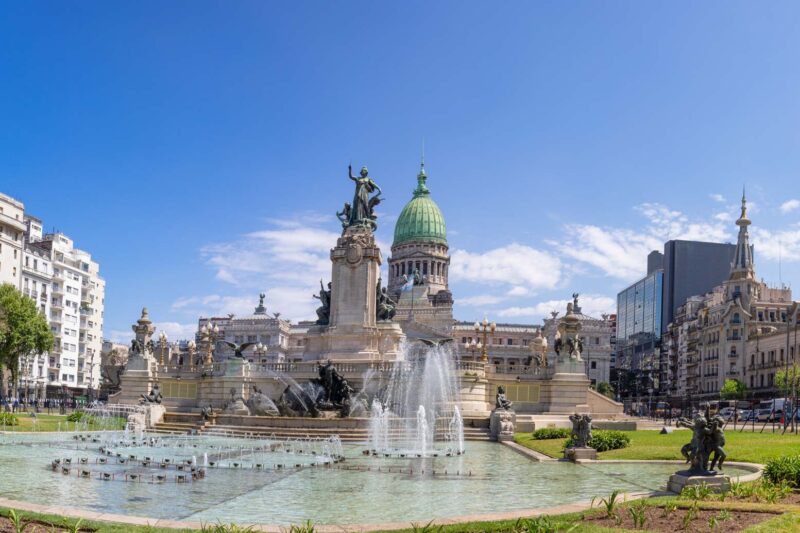
Upon arriving in this cosmopolitan city, much celebrated for its architecture and rich European heritage, you will independently transfer to your group hotel (pre-expedition hotel night included in mandatory transfer package).

Glamorous and gritty, Buenos Aires is two cities in one. What makes Argentina's capital so fascinating is its dual heritage—part European, part Latin American. Plaza de Mayo resembles a grand square in Madrid, and the ornate Teatro Colón would not be out of place in Vienna. But you’ll know you’re in South America by the leather shoes for sale on cobbled streets and impromptu parades of triumphant soccer fans. Limited-production wines, juicy steaks, and ice cream in countless flavors are among the old-world imports the city has perfected.
Ushuaia Argentina
Day 2

Ushuaia

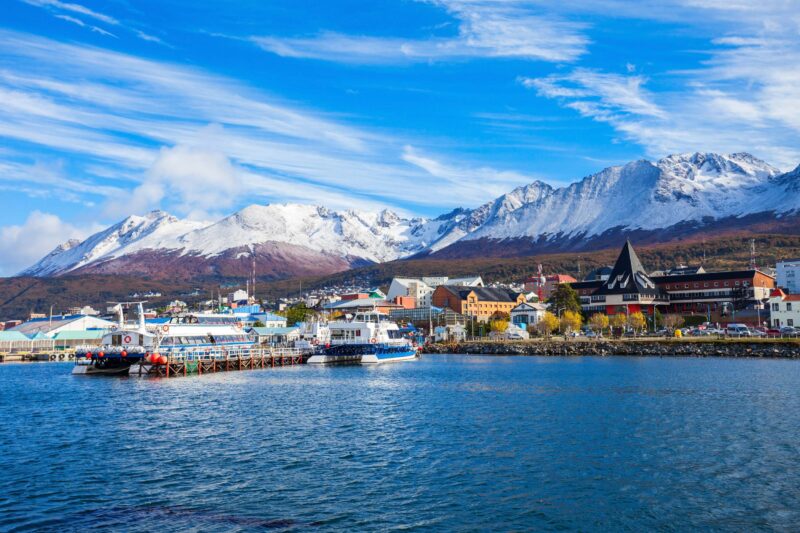
After an early breakfast at the hotel, the group will transfer to the airport and board our private charter flight to Ushuaia, Argentina. Upon arrival, you will be transferred from the airport to a central downtown location to enjoy some time on your own to explore this quaint port town before making your way to the pier. After a late afternoon embarkation, you will sail along the historic Beagle Channel, which transects the Tierra del Fuego archipelago in the extreme south of South America. Expect an air of anticipation as you depart— the next time you see land, you'll be in the remote Antarctic wilderness.

At 55 degrees latitude south, Ushuaia (pronounced oo-swy-ah) is closer to the South Pole than to Argentina's northern border with Bolivia. It is the capital and tourism base for Tierra del Fuego, the island at the southernmost tip of Argentina.Although its stark physical beauty is striking, Tierra del Fuego's historical allure is based more on its mythical past than on rugged reality. The island was inhabited for 6,000 years by Yámana, Haush, Selk'nam, and Alakaluf Indians. But in 1902 Argentina, eager to populate Patagonia to bolster its territorial claims, moved to initiate an Ushuaian penal colony, establishing the permanent settlement of its most southern territories and, by implication, everything in between.When the prison closed in 1947, Ushuaia had a population of about 3,000, made up mainly of former inmates and prison staff. Today the Indians of Darwin's "missing link" theory are long gone—wiped out by diseases brought by settlers and by indifference to their plight—and the 60,000 residents of Ushuaia are hitching their star to tourism.The city rightly (if perhaps too loudly) promotes itself as the southernmost city in the world (Puerto Williams, a few miles south on the Chilean side of the Beagle Channel, is a small town). You can make your way to the tourism office to get your clichéd, but oh-so-necessary, "Southernmost City in the World" passport stamp. Ushuaia feels like a frontier boomtown, at heart still a rugged, weather-beaten fishing village, but exhibiting the frayed edges of a city that quadrupled in size in the '70s and '80s and just keeps growing. Unpaved portions of Ruta 3, the last stretch of the Pan-American Highway, which connects Alaska to Tierra del Fuego, are finally being paved. The summer months (December through March) draw more than 120,000 visitors, and dozens of cruise ships. The city is trying to extend those visits with events like March's Marathon at the End of the World and by increasing the gamut of winter activities buoyed by the excellent snow conditions.A terrific trail winds through the town up to the Martial Glacier, where a ski lift can help cut down a steep kilometer of your journey. The chaotic and contradictory urban landscape includes a handful of luxury hotels amid the concrete of public housing projects. Scores of "sled houses" (wooden shacks) sit precariously on upright piers, ready for speedy displacement to a different site. But there are also many small, picturesque homes with tiny, carefully tended gardens. Many of the newer homes are built in a Swiss-chalet style, reinforcing the idea that this is a town into which tourism has breathed new life. At the same time, the weather-worn pastel colors that dominate the town's landscape remind you that Ushuaia was once just a tiny fishing village, snuggled at the end of the Earth.As you stand on the banks of the Canal Beagle (Beagle Channel) near Ushuaia, the spirit of the farthest corner of the world takes hold. What stands out is the light: at sundown the landscape is cast in a subdued, sensual tone; everything feels closer, softer, and more human in dimension despite the vastness of the setting. The snowcapped mountains reflect the setting sun back onto a stream rolling into the channel, as nearby peaks echo their image—on a windless day—in the still waters.Above the city rise the last mountains of the Andean Cordillera, and just south and west of Ushuaia they finally vanish into the often-stormy sea. Snow whitens the peaks well into summer. Nature is the principal attraction here, with trekking, fishing, horseback riding, wildlife spotting, and sailing among the most rewarding activities, especially in the Parque Nacional Tierra del Fuego (Tierra del Fuego National Park).
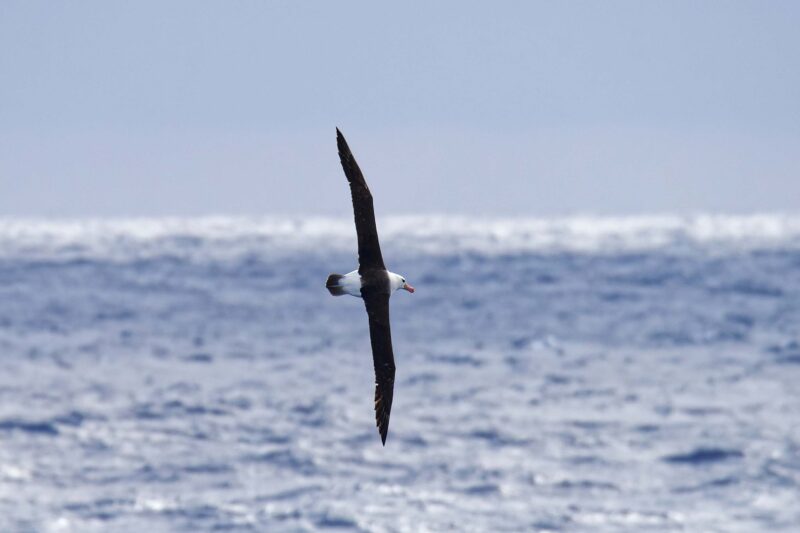
drake passage albatross
Day 3

Drake Passage Seas

Crossing the legendary 800-km stretch of water is a must-do for many travelers. Prepare yourself for dramatic seascapes as you stand on the deck of Ultramarine and gaze at the water stretching beyond the distant horizon. Be on the lookout fo dolphins, whales, and seabirds, especially albatrosses, petrels and skuas as they glide over the sometimes rough waters. As the ship approaches the Antarctic Peninsula, keep your eyes peeled for your first glimpse of towering, multi-shaped icebergs.
Antarctic convergence
Days 5-9

Antarctic Convergence, Antarctica

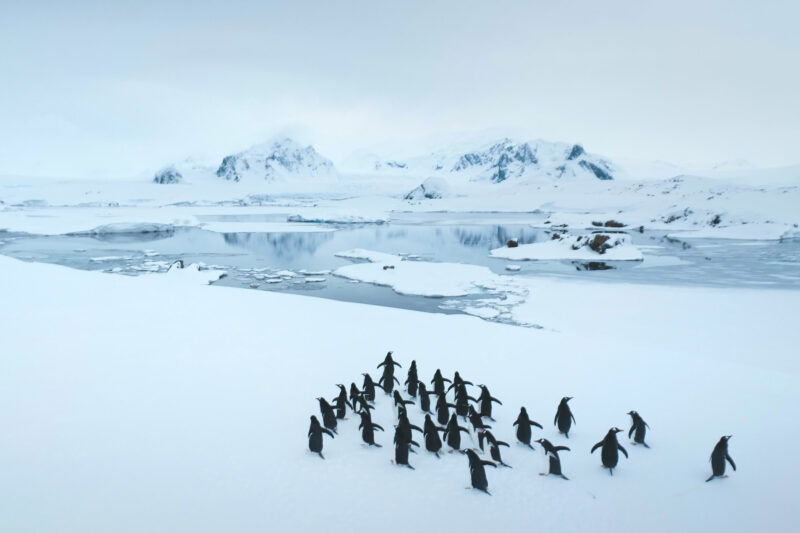
Helicopter operations in Antarctica are acutely weather-dependent. We have designed this itinerary so we can spend time each day in stunning locations that allow us to enjoy helicopter opportunities if the weather allows and, alternately, to maximize your experience of Antarctic wildlife, ice and landscapes when flying conditions are not favorable. Each day on the Antarctic Peninsula will showcase the flexibility and technical prowess of our industry-leading expedition team, pilots and crew.As Ultramarine gains access to the Antarctic Peninsula, our team will look for opportunities to experience Antarctica beyond the coast and over the expansive glacial terrain of the last great wilderness.Together, Antarctic Sound, Erebus and Terror Gulf, northwestern Weddell Sea are the theater of this venture. Initially we plan to sail into Antarctic Sound where we will visit two towering geological features:Madder Cliffs on Joinville Island, and Brown Bluff on the most northerly tip of the Antarctic Continent. Our goal is to visit large Adélie penguin colonies in this area by Zodiac. Gentoo penguins and seals also frequently roam this coast. There will be time to marvel at the impressive topography, namely the 678 meter (2,225-foot) volcanic rock cliffs at Brown Bluff- though, if weather allows, we may pivot from our marine operations and embark on our first flightseeing experience of the voyage. What you will have just seen from sea, you will now experience from the sky as you gaze over the vastness of Antarctica with the perspective of a snow petrel.Continuing through Antarctic Sound and into Erebus and Terror Gulf, located on the tip of the southeast side of the Antarctic Peninsula, Ultramarine will be positioned to maximize both helicopter and Zodiac excursions. The James RossIsland group, which comprises several Islands, offers myriad opportunities to explore historically relevant sites that were discovered by the Swedish Antarctic Expedition of 1901-04. Upon landing, we plan to hike to a summit to view an Adélie penguin colony, as well as the northern Weddell Sea. If the tide is low, there may be grounded bergs in the shallow waters— a surreal sight you're unlikely to encounter on many polar expeditions. These islands, highly valued for their geological significance, are home to fossil finds, ventifacts (ancient rocks polished smooth over time by wind and grains of sand) and the remains of the KT Boundary, which marks the transition between the Cretaceous Period (dinosaurs and reptiles) and the Tertiary Period (mammals). Our goal is to provide opportunities for you to see ventifacts up close, to better appreciate the significance of wind erosion-by sand or ice particles— over long periods of time. These ventifacts provide valuable information about the climatic history and prevailing wind patterns of the region.As already mentioned, atmospheric conditions influence when and where we fly-on any day of our voyage-at any of the superb locations in the region.When not flying, we'll shift our focus from geology to wildlife. For instance, we could Zodiac cruise to Devil Island and head out on a hike that will allow participants to appreciate the twin towering cones of ash and hardened lava that rises from a bay on the north shore of Vega Island. Alternatively, we may aim for renowned Paulet Island, home to one of the largest Adélie penguin rookeries in the area, as well as the historic hut built by members of the Swedish Antarctic Expedition of 1901-04. A cross marks the grave site of Ole Wennersgaard, a member of the crew.Another potential destination for helicopter operations includes the dramatic headland on the northeastern tip of Joinville island. One of the first features you'll see as we approach the island by air is, of course, the distinct rocky headland sticking out of the rugged, icy landscape.This prominent landmark has proven useful for navigation and exploration over the years.Expect a dramatic finale to the helicopter-focused segment of the expedition as we prepare to return back across the Drake Passage. While our team has devised multiple back-up plans-crucial on any polar expedition- our ultimate goal at this point is a heli flightseeing excursion to Livingston Island, home of the most spectacular mountains of the South Shetland Islands. Among the towering peaks you'll see from air are the Tangra Mountains (stretching 32 kilometres long by 8.5 kilometres wide), Mount Friesland (rising to 1,700 metres/ 5,578 feet) , Bowles Ridge and Pliska Ridge (667 metres/2,188 feet).Another landing option is Deception Island. Along with waddling penguins and lounging seals, you can also see the rusting remnants of long-ago whaling operations on the beach. The landscape of Deception Island often presents opportunities for longer walks to striking vistas. The stark contrast between snow and dark volcanic sand, and the geothermic steam along the shoreline gives this location an atmospheric feel.
drake passage albatross
Day 10

Drake Passage Seas

Take some time, as we journey back across the 800-kilometer Drake Passage, to relax after your off-ship adventures.Ultramarine is home to Tundra Spa, where you can book a soothing facial treatment or massage. Additionally, you can also relax in the sauna with floor-to-ceiling windows that keep you connected to the polar seas while you rejuvenate indoors.
Buenos Aires Argentina
Day 12

Buenos Aires

You will arrive in Ushuaia in the morning and disembark after breakfast. You will then make your way towards your included group charter flight to Buenos Aires.

Glamorous and gritty, Buenos Aires is two cities in one. What makes Argentina's capital so fascinating is its dual heritage—part European, part Latin American. Plaza de Mayo resembles a grand square in Madrid, and the ornate Teatro Colón would not be out of place in Vienna. But you’ll know you’re in South America by the leather shoes for sale on cobbled streets and impromptu parades of triumphant soccer fans. Limited-production wines, juicy steaks, and ice cream in countless flavors are among the old-world imports the city has perfected.

Map

Need advice?

It's good to talk to people who have been there.

No hard sell. Just excellent advice.
And Penguins.

Choose Your Date
Loading new tour date...
Next Step - Choose Your Cabin

The Ship

Introducing
Ultramarine is one of the most recent additions to polar expedition cruising. First launched in 2021, when you step onboard, it is noticeable that this ship was purpose-built from the ground up as a go-anywhere expedition cruise ship. A wrap-around deck provides unparalleled views, and the ship's four Zodiac embarkation points make joining an excursion a breeze.

Choose Your Cabin

Deck Plan

ultramarine deck plan deck 2

See Similar Cruises

Request Reservation

Cabin Name

For a no obligation quote please fill in your details.

Enquire

Cabin Name

Please fill in your details to make an enquiry.