Save £500 off your polar cruise

Ross Sea Odyssey

Hobart, Tasmania - Dunedin

Choose Your Date
Loading new tour date...
Next Step - Choose Your Cabin
Greg Mortimer
132 Guests
26 Days

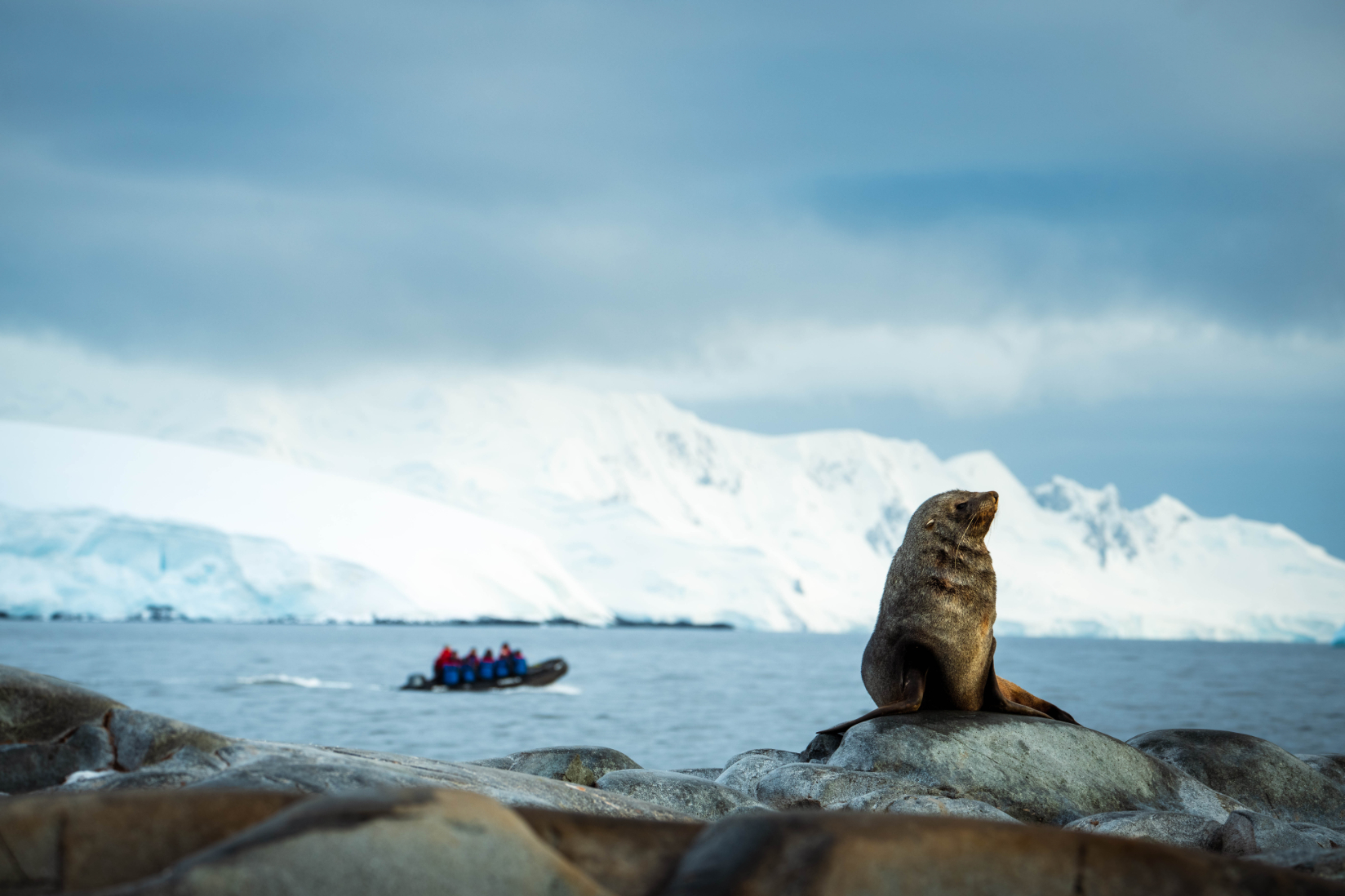
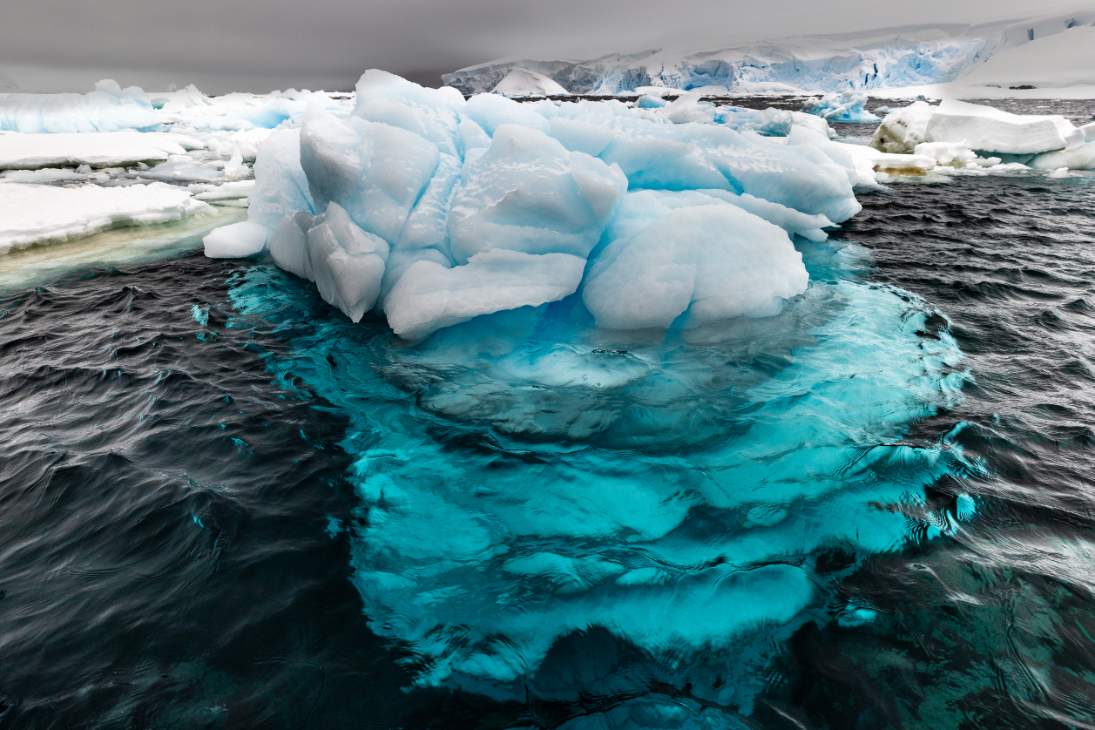
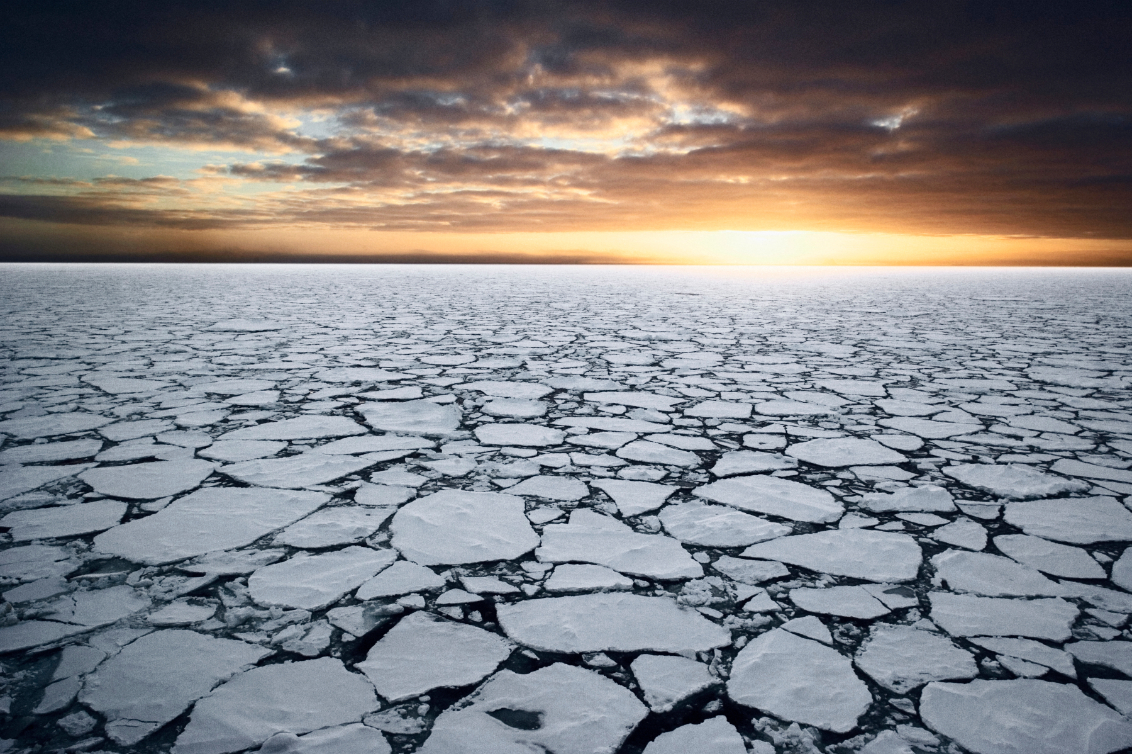
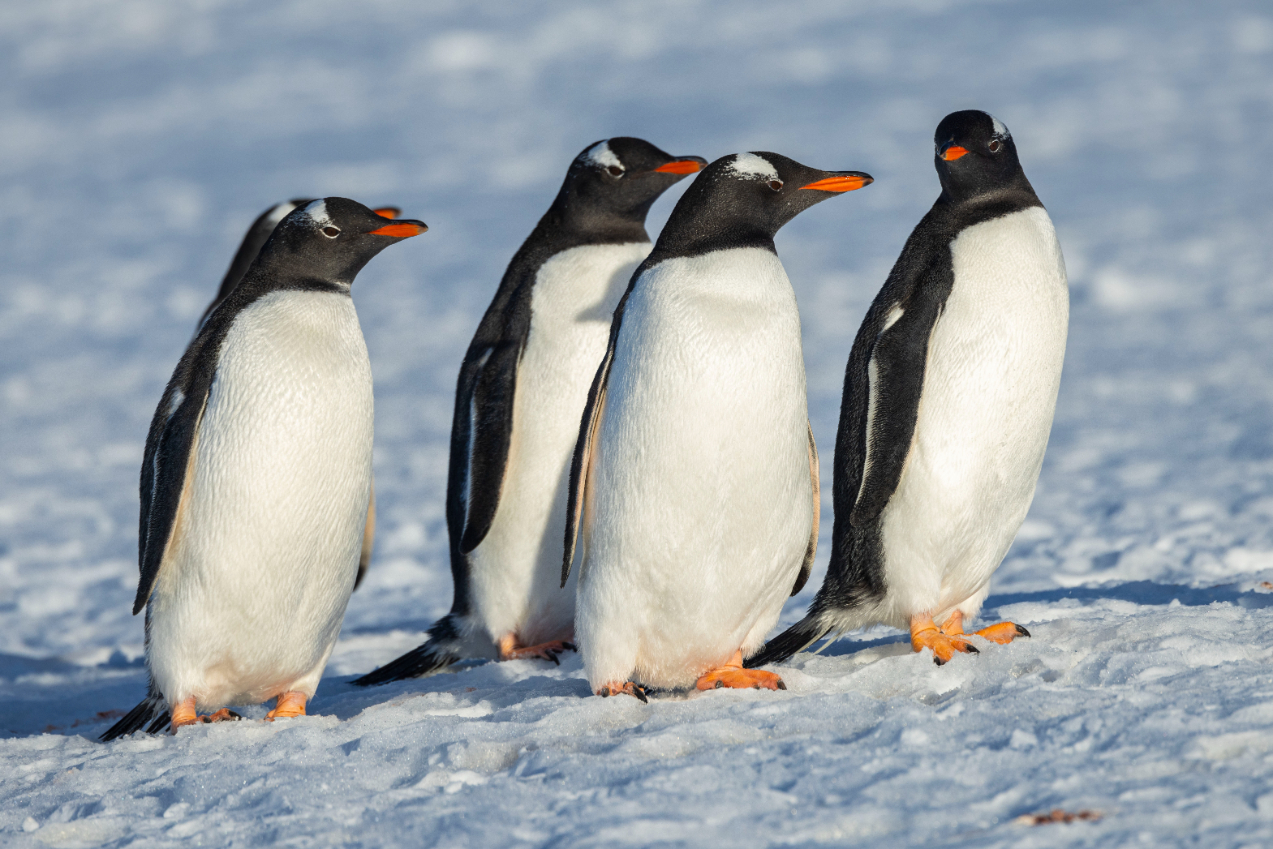
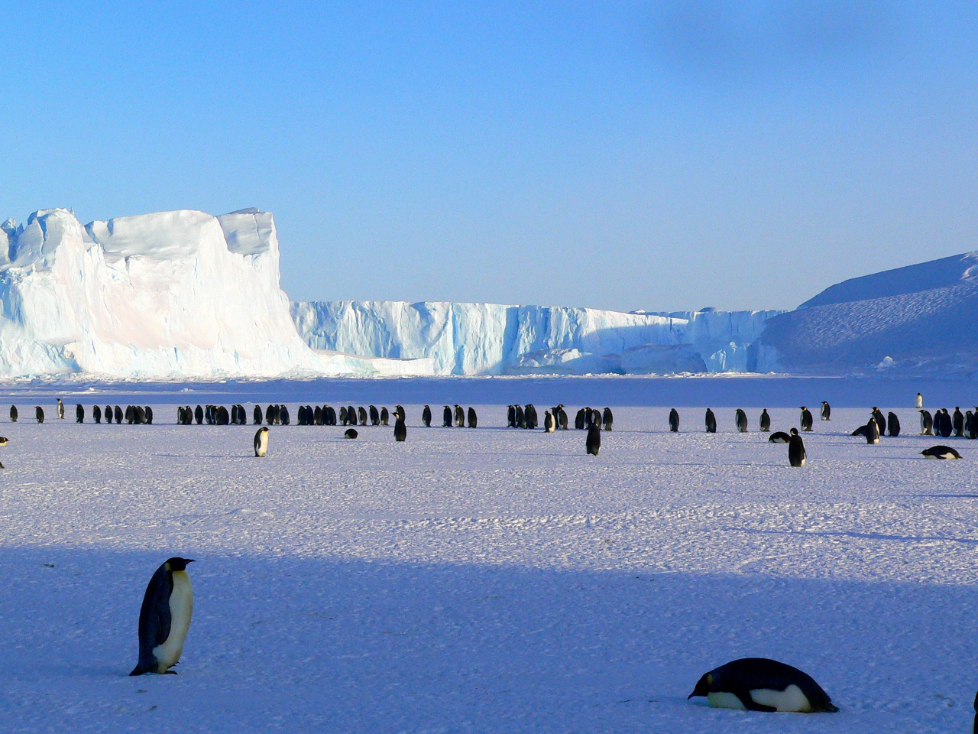
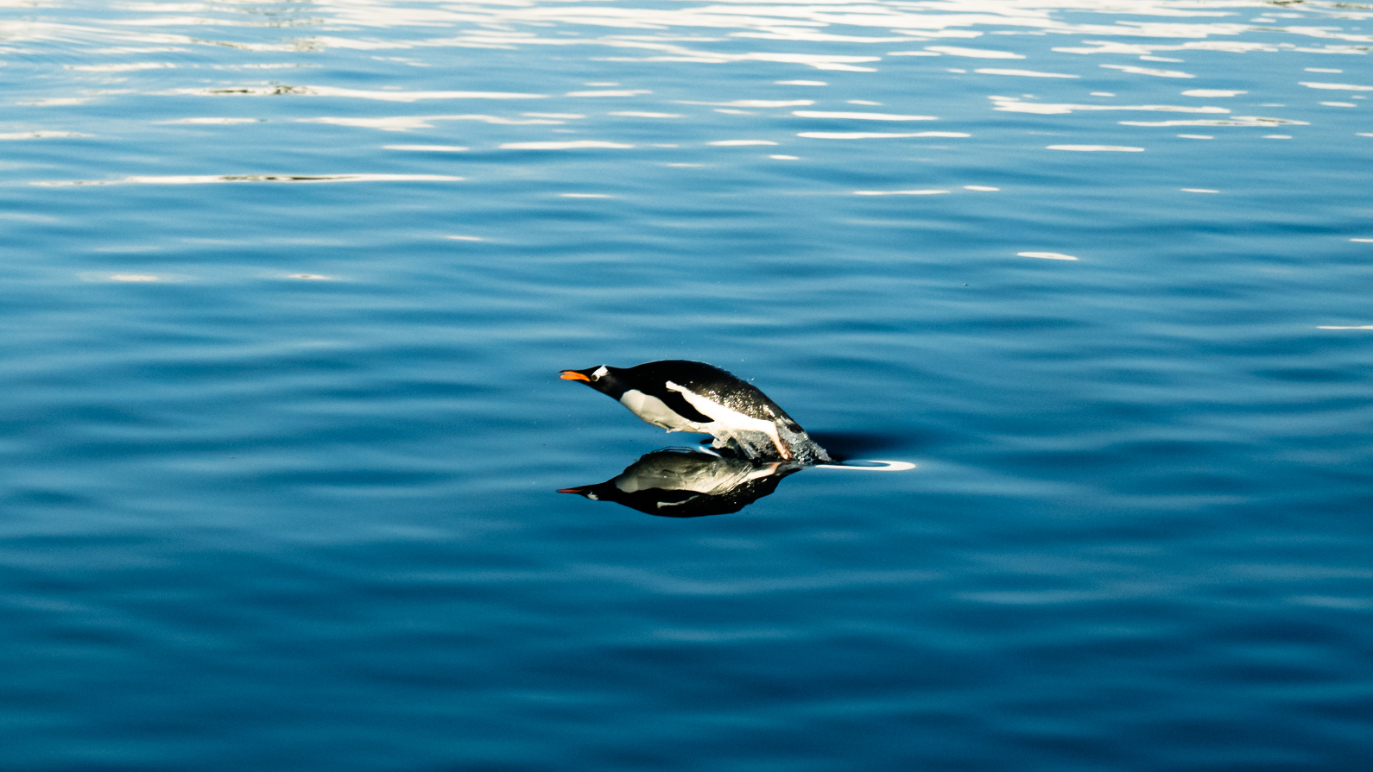
Experience one of the most remote, historic sectors of the deep South in comfort on this exploratory expedition aboard the luxurious Greg Mortimer. Your journey begins in the subantarctic, where yellow-eyed penguins waddle through wizened r─Бt─Б forests and royal albatross nest amid megaherb moors. Cross the Antarctic Circle and cruise the pack, keeping watch for emperor and Ad├йlie penguins porpoising along the ice edge, orcas patrolling for prey, and snow petrels soaring against a backdrop of the vast Antarctic Ice Sheet. Embrace the spirit of adventure as you continue along the Victoria Land Coast and into the Ross Sea, where the Antarctic Ice Sheet flows into the worldтАЩs largest floating ice shelf. These are historic waters, where the explorers of the Heroic Age staged their bold assaults on the South Geographic Pole. Hear the stories of their expeditions and attempt to land at some of their remarkably well-preserved huts.

See More

Activities

Hiking

Lectures

Polar Plunge

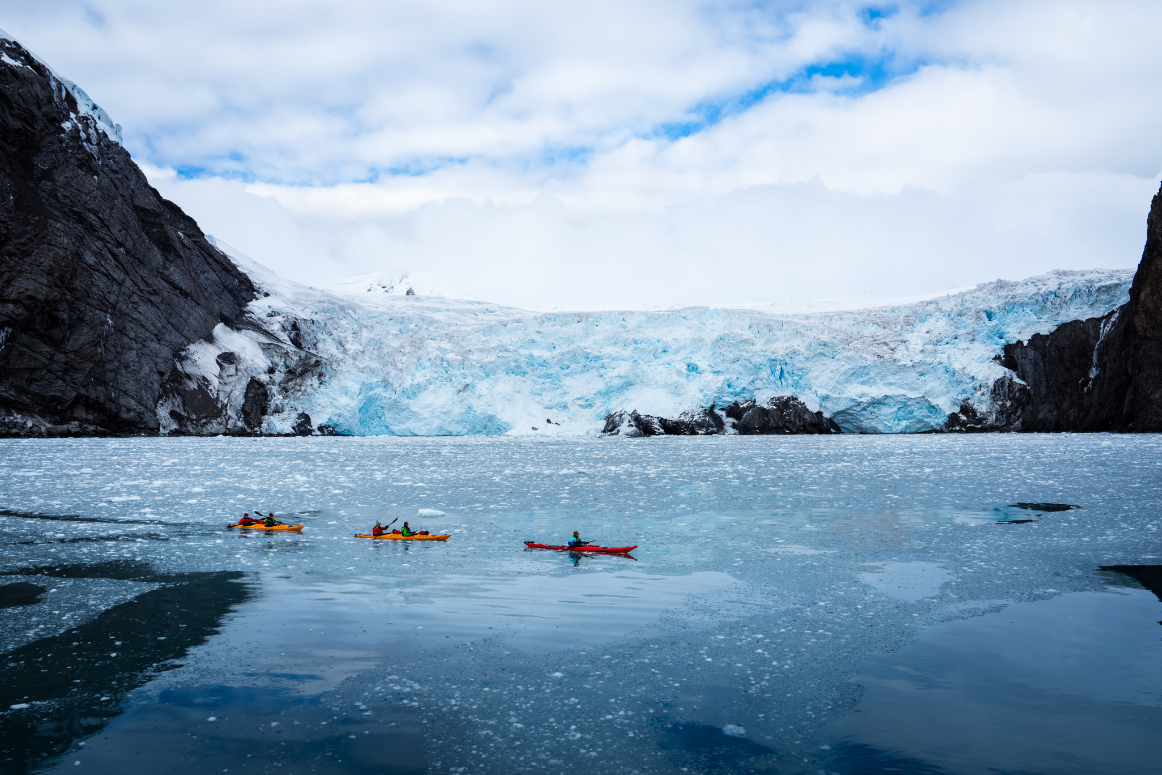
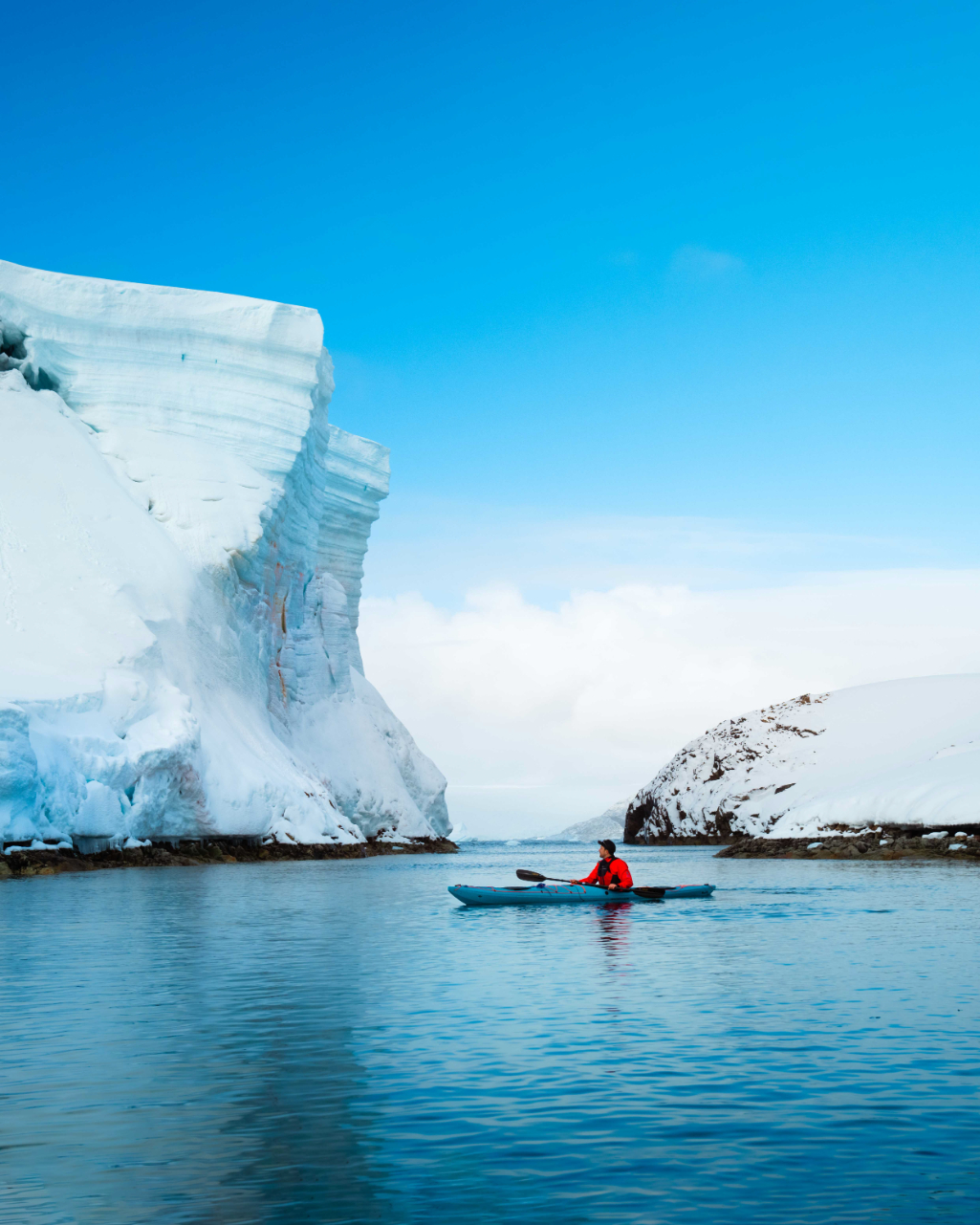
Sea Kayaking

*

Wildlife Watching

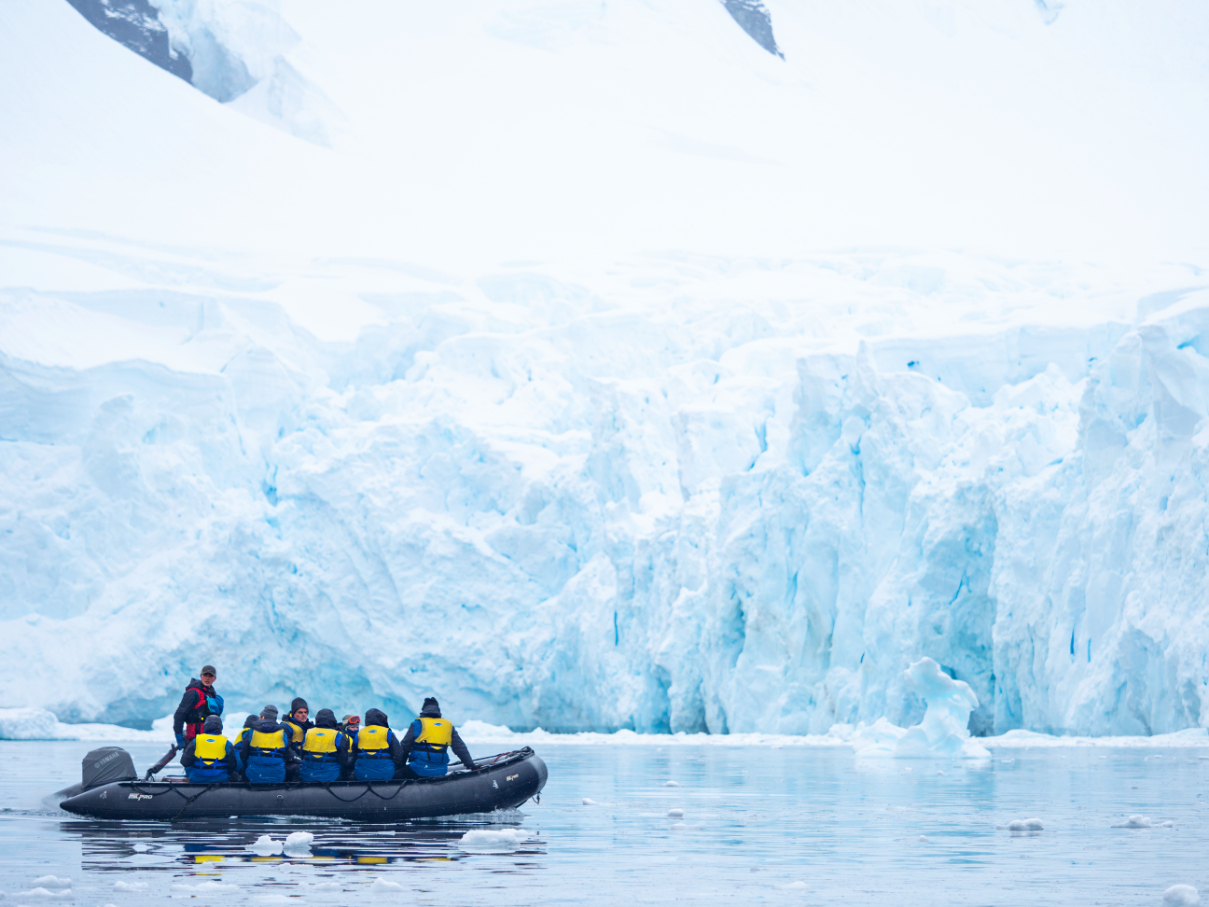
Zodiac Cruises

* Optional with additional cost

Itinerary

Hobart
Days 1-2

Hobart, Tasmania

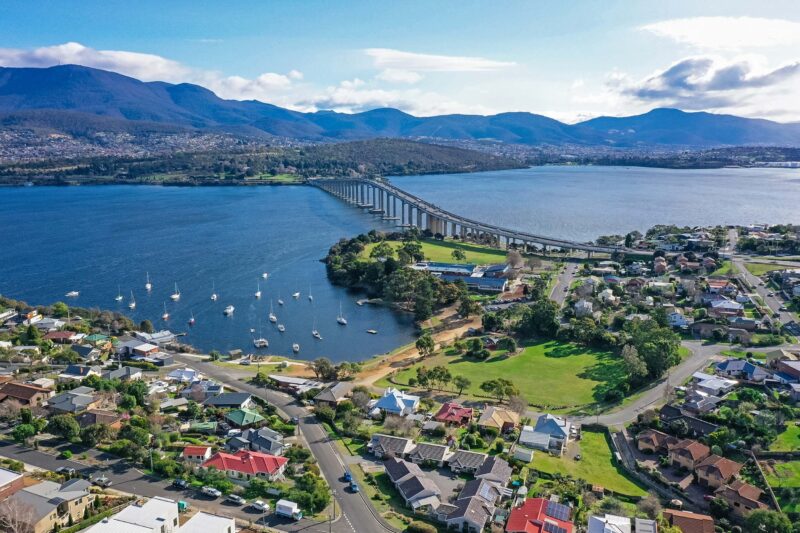
Straddling the Derwent River at the foot of Mt. Wellington's forested slopes, Hobart was founded as a penal settlement in 1803. It's the second-oldest city in the country after Sydney, and it certainly rivals its mainland counterpart as Australia's most beautiful state capital. Close-set colonial brick-and-sandstone shops and homes line the narrow, quiet streets, creating a genteel setting for this historic city of 215,000. Life revolves around the broad Derwent River port, one of the deepest harbors in the world. Here warehouses that once stored Hobart's major exports of fruit, wool, and corn and products from the city's former whaling fleet still stand alongside the wharf today.Hobart sparkles between Christmas and New Year'sтАФsummer Down UnderтАФduring the annual Sydney-to-Hobart yacht race. The event dominates conversations among Hobart's citizens, who descend on Constitution Dock to welcome the yachts and join in the boisterous festivities of the crews. The New Year also coincides with the Tastes of Tasmania Festival, when the dockside area comes alive with the best of Tasmanian food and wine on offer in numerous caf├йs, bars, and waterfront stalls. Otherwise, Hobart is a placid city whose nightlife is largely confined to excellent restaurants, jazz clubs, and the action at the Wrest Point Casino in Sandy Bay.The Hobart Tasmanian Travel and Information Centre hours are weekdays 8:30тАУ5:30 and Saturday 9тАУ5.

Macquarie Island
Days 6-7

Macquarie Island, Tasmania

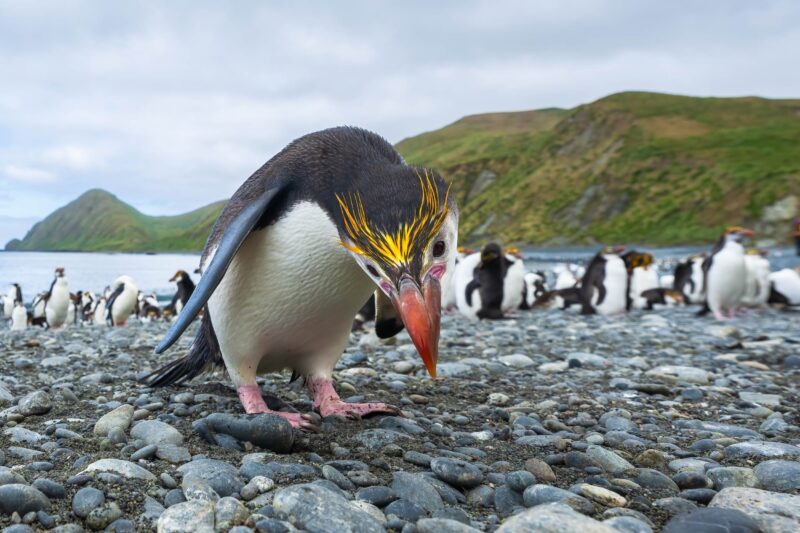
Macquarie Island is a UNESCO World Heritage Site due to its major geoconservation significance. It is the only island in the world that is entirely composed of oceanic crust and rocks from the mantel. The unique diversity of the island makes it a truly remarkable place to visit. Sand Bay is located on the east coast where you will find Royal and King Penguin rookeries as well as Southern Elephant Seals, and if the weather permits, you will have the opportunity to get closer on a Zodiac┬о.

Cruising the ross sea
Days 11-17

Cruise East, Antarctica, Ross Sea

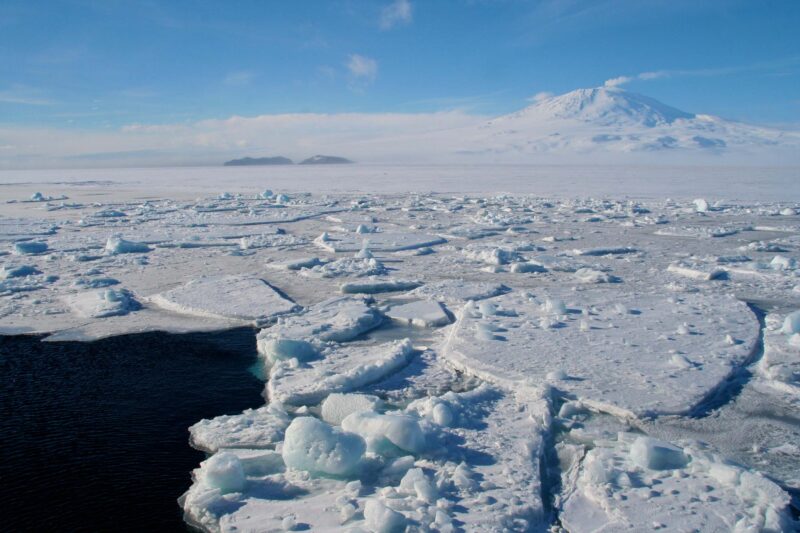
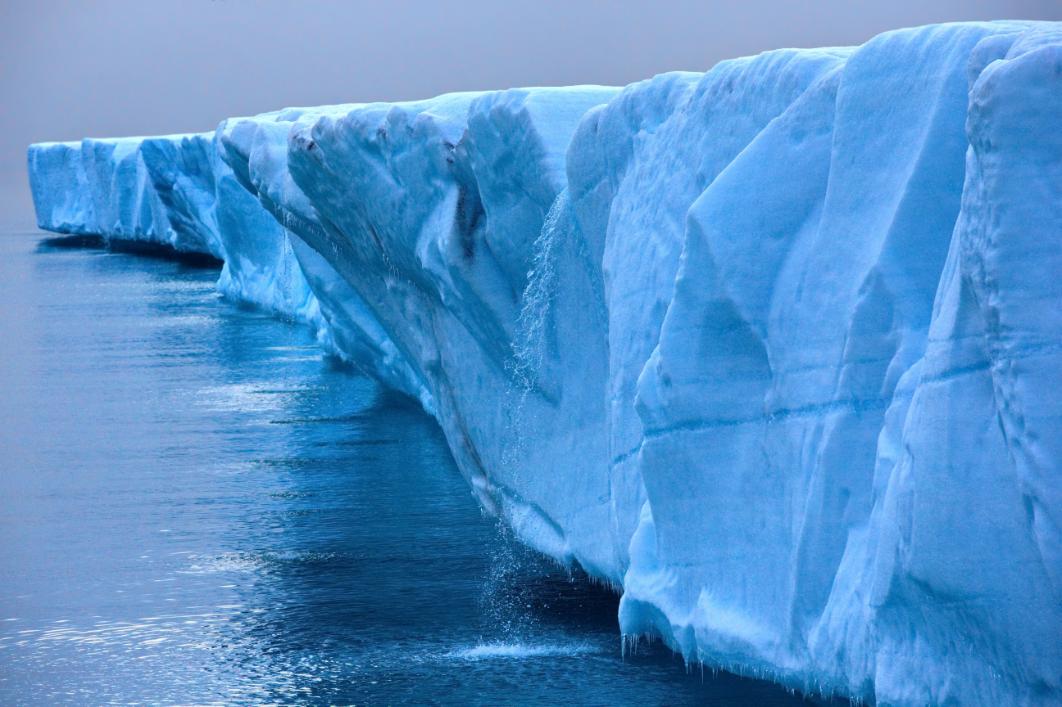
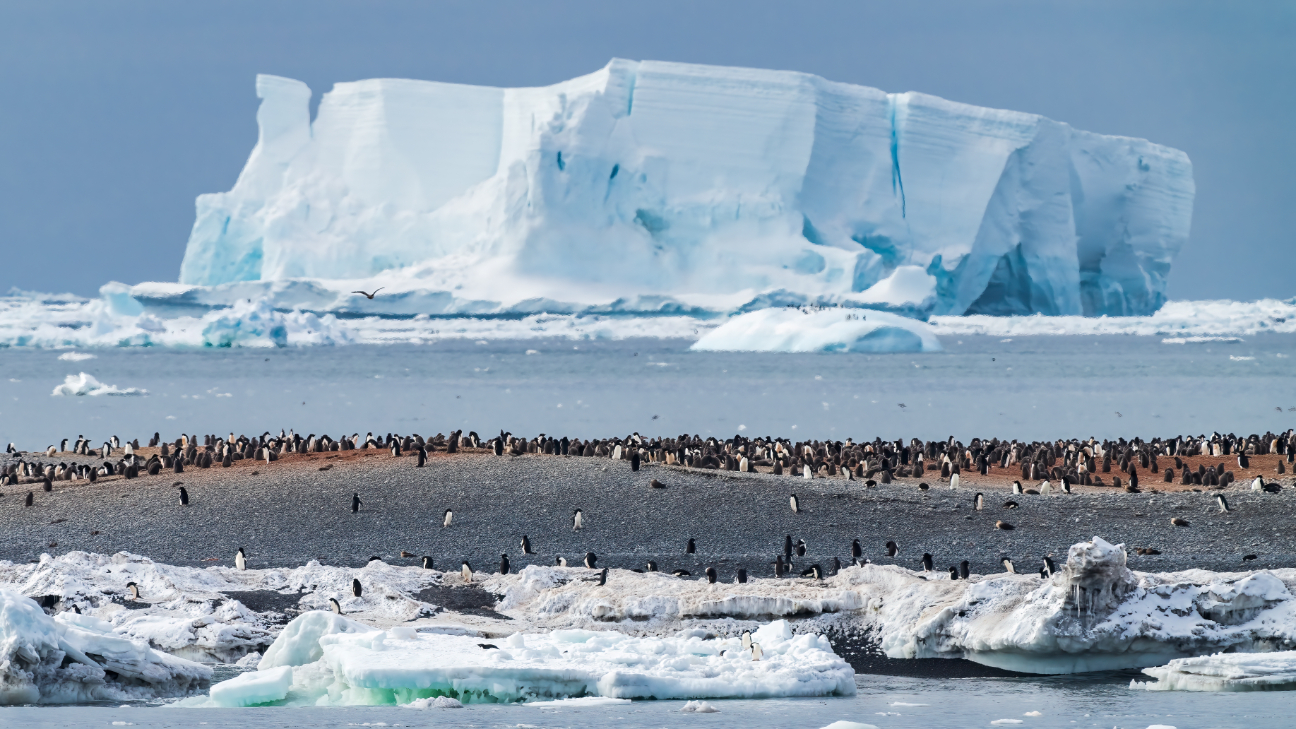
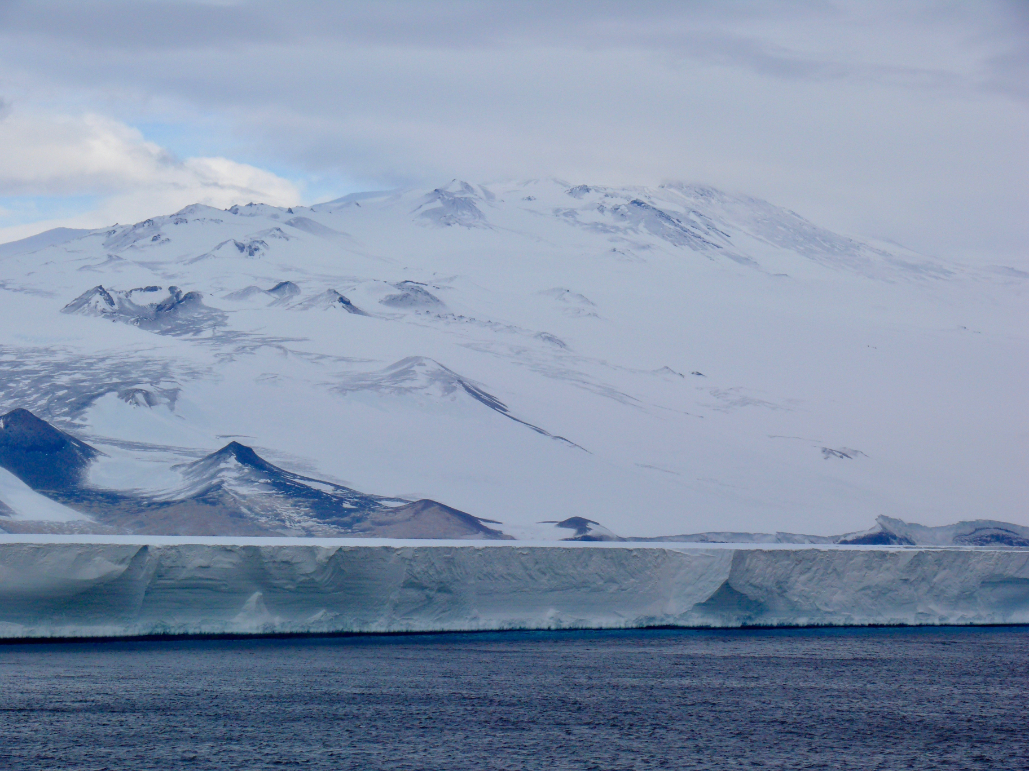
ItтАЩs almost impossible to describe the feeling of arriving in this storied, ice-bound sector of Antarctica. Stepping outside and taking a deep breath of some of the most fresh, crisp air on earth is an experience to cherish forever.The Ross Sea region is a globally significant wildlife sanctuary. Its nutrient-rich waters support an astonishing array of uniquely adapted Antarctic species, including Ross Sea orcas, Antarctic petrels and South Pacific Weddell seals. It is also home to AntarcticaтАЩs largest Ad├йlie penguin colony, and many of the largest emperor penguin colonies. The unique biodiversity of the Ross Sea has been protected within the worldтАЩs largest marine protected area since 2016.The human heritage of the Ross Sea coast is equally impressive. Since James Clark Ross discovered the region in 1841, countless expeditions have built base camps on scattered ice-free slivers of land, using them as staging posts for bold forays across the polar plateau. Many of them departed in a hurry, leaving artefacts, scientific equipment and sometimes entire huts behind. Today these sites are preserved as open-air museums and protected under the Antarctic Treaty System.Embrace the spirit of exploration as your expedition team designs your voyage from day to day, bringing decades of experience to selecting the ideal sites based on the prevailing weather, ice conditions and wildlife opportunities. Some places we may visit include: Ross Ice Shelf Find a spot on deck as we cruise perfectly cleaved ice cliffs towering some 30 metres above the crystalline waters of the Ross Sea. This is the floating edge of the largest ice shelf in Antarctica, which covers an area the size of France. Watch for elegant emperor penguins, sweet-faced Weddell seals hauled out on ice floes, and the unmistakable тАШpoufтАЩ of an orcaтАЩs exhalation. Franklin Island This delightful ice-free outpost with a rookery of rambunctious Ad├йlie penguins is well worth a visit. Stretch your legs as you stroll up a gentle incline past the colony to a high point, where panoramic views of the Ross archipelago and the ice shelf unfurl. McMurdo Sound Enter a realm of exquisite beauty, an otherworldly icescape set against a backdrop of gleaming glaciers, shimmering mountains, and the polar ice sheet itself. McMurdo Sound is the historic gateway to the South Pole and remains a busy working harbour today, serving as a logistics hub for the extensive scientific operations taking place at the McMurdo and Scott Research bases on Ross Island. It is here, in this achingly barren landscape, that early explorers established their base camps and struck out for the South Pole. If conditions allow, we aim to land at one (or more) of their beautifully preserved huts, many of which still stand, to dwell for a moment amongst the artefacts of a distant time, and reflect on the triumphs and tragedies of those who brought them here. Cape Washington, Terra Nova Bay Bounded by soaring peaks and fed by immense glaciers, Terra Nova Bay supports an abundance of polar wildlife, including the rarely sighted Arnoux's Beaked Whale. Fast ice anchored to the bayтАЩs northern shore in the shelter of Cape Washington is home to one of the largest known emperor penguin colonies. Some 20,000 males huddle here each winter, incubating their eggs and awaiting the sunтАЩs return. Weather and ice permitting, visit the bustling rookery to witness the delightful emperors and their fledging chicks. Cape Hallett The snow-capped Admiralty Mountains rise dramatically from the gravelly spit of Cape Hallett, where we hope to land. This is the site of a decommissioned scientific base and an abundance of Antarctic mosses, lichens and invertebrates, protected by the Antarctic Treaty System. Amble across gently undulating terrain, taking care to give resting Weddell seals a wide berth. The Ad├йlie penguin rookery here can host close to 50,000 breeding pairs, while snow petrels, WilsonтАЩs storm petrels and South Polar skuas breed in the rocky crevices nearby. Cape Hallett also has a special significance for Aurora. It was from this rocky foothold that Greg Mortimer, co-founder of AE Expeditions, launched the Australian Bicentennial Antarctic Expedition in 1988. Cape Hallett provided access to the glaciated coastal ranges beyond, where the six-man team completed the first ascent of Mt Minto (4,165 metres). Cape Adare Cape Adare lies 100 km (62 miles) north of Cape Hallet, at the western entrance to the Ross Sea. A rare ice-free refuge on this icebound coastline, Cape Adare is home to AntarcticaтАЩs largest Ad├йlie penguin colony. Ice and weather permitting, wend your way through the pack ice to land on the flat, cobbled spit where more than 250,000 breeding pairs of Ad├йlies gather to busily breed, feed and raise their chicks in the short southern summer. First visited by James Clark Ross in 1841, this rocky promontory played an important role in the pioneering expeditions of the Heroic Age of Antarctic exploration. It was here in 1899 that the Southern Cross expedition, led by Carsten Borchgrevink, became the first to winter over in Antarctica and establish the first human structures on the continent. The remnants of these pioneering constructions, and thousands of artefacts scattered in their vicinity, remain virtually untouched and protected under the Antarctic Treaty System. We hope to enter BorchgrevinkтАЩs living quarters to experience the awe and imagine the perils of conducting science here, as they did, through an Antarctic winter.
Days 22-23

Auckland Islands

First visited by M─Бori navigators centuries ago, these islands are of great significance to Ng─Бi Tahu, the indigenous peoples of New ZealandтАЩs South Island. Their natural beauty and astonishing biodiversity have now been recognised globally, but few have had the privilege to visit these far-flung shores, which are now yours to explore.Auckland Islands (Maungahuka / Motu Maha)Born of fire, scoured by ancient glaciers and shaped by the fierce hand of the Southern Ocean, there is an exquisite ruggedness to this group of weather-worn islands. This apparent bleakness belies the extraordinary abundance of life that thrives here. Roughly half of the worldтАЩs yellow-eyed penguins (hoiho), most of the worldтАЩs white-capped mollymawks, and the entire population of Auckland Islands wandering albatross find shelter on these shores. Embrace the spirit of exploration as your expedition team designs your voyage from day to day, bringing decades of experience to selecting ideal sites based on the prevailing conditions and wildlife opportunities.
Day 23

Carnley Harbor, Auckland Islands

Carnley Harbour offers superb Zodiac cruising through a landscape rich in human history. In 1864, five men became stranded here after their schooner, the Grafton, was wrecked, putting a sudden end to their sealing and tin prospecting ambitions. We hope to see the skeletal remnants of the Grafton, and the moss-covered remains of the Epigwaitt Hut, where they sheltered for 20 months.
Day 24

Auckland Islands

Victoria Passage is a lively channel separating Auckland Island from the mountainous Adams Island to the south. We may Zodiac cruise these scenic waters, watching for sooty shearwaters, penguins and sea-lions frolicking in the pure waters.
Campbell Island
Day 24

Campbell Island

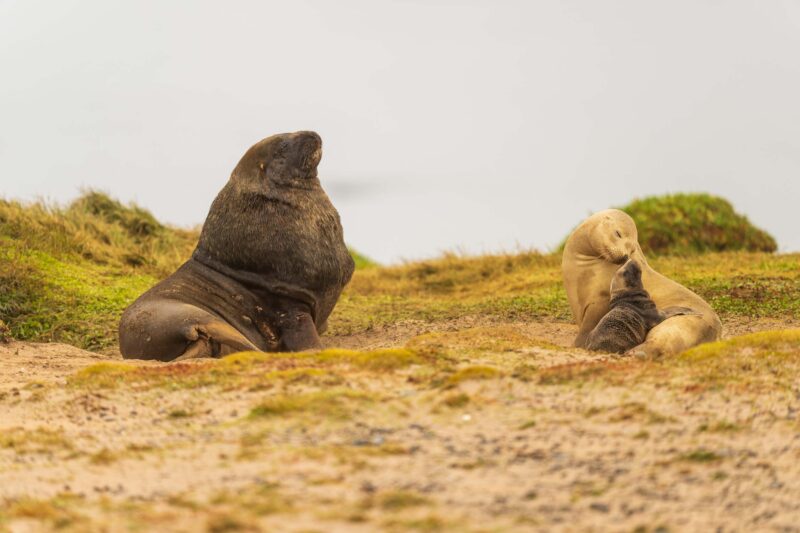
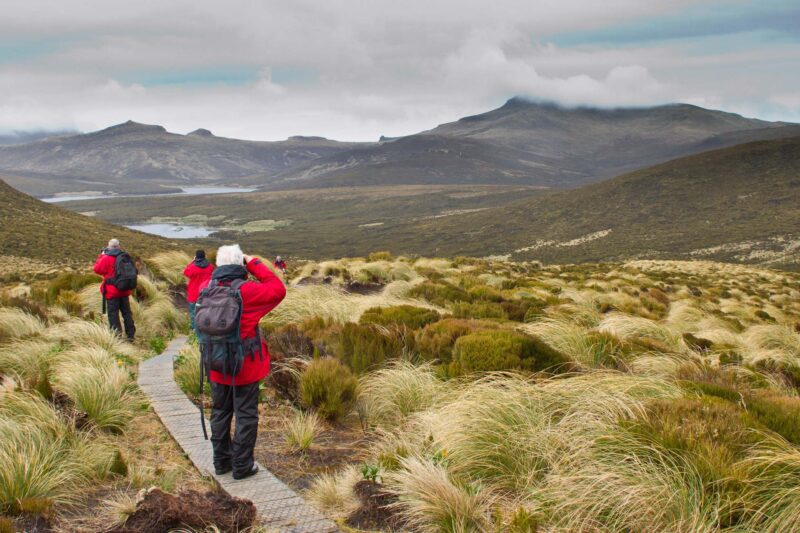
Wind and weather permitting, we will Zodiac cruise sheltered harbours and coves in search of Campbell Island snipes and teals, yellow-eyed penguins (hoiho), and New Zealand (HookerтАЩs) sea lions (whakahao). We hope to land at Beeman Cove, Perseverance Harbour, where an old meteorological station stands vigil on the windswept shoreline. Follow a boardwalk through tussock and upland tundra, then enter an otherworldly landscape where large-leaved megaherbs abound. Wonder at the Ross Lily, Campbell Island Daisy and Campbell Island carrot, whose brilliant flowers would look more at home in the tropics than these southern climes. Continue towards the nesting grounds of majestic southern royal albatross, whose wingspans can exceed three metres (10 feet). It is truly humbling to be in the presence of these great wanderers of the southern seas. Find a spot to quietly observe these marvellous birds as they go about their daily duties, undisturbed by their human visitors.

The Campbell Islands are a group of subantarctic islands in New Zealand. Known for its rich flora display, Campbell Islands are overflowing with megaherbs, herbaceous, perennial wildflowers which are recognised for their great size, colourful flowers and large leaves. The islands are furthermore home to some rare, and critically endangered birds including the Campbell Island teal and snipe. Enjoy a guided walk on the Col Lyell Saddle boardwalk and head out on the Zodiac for a unique tour around the coastline of Perseverance Harbour.
Dunedin
Day 26

Dunedin

After breakfast, farewell your expedition team and fellow passengers as we all continue our onward journeys, hopefully with a newfound sense of the immense power of nature.Note: At the conclusion of the voyage, we do not recommend booking flights departing prior to 12.00 pm on the day of disembarkation in case there are delays.

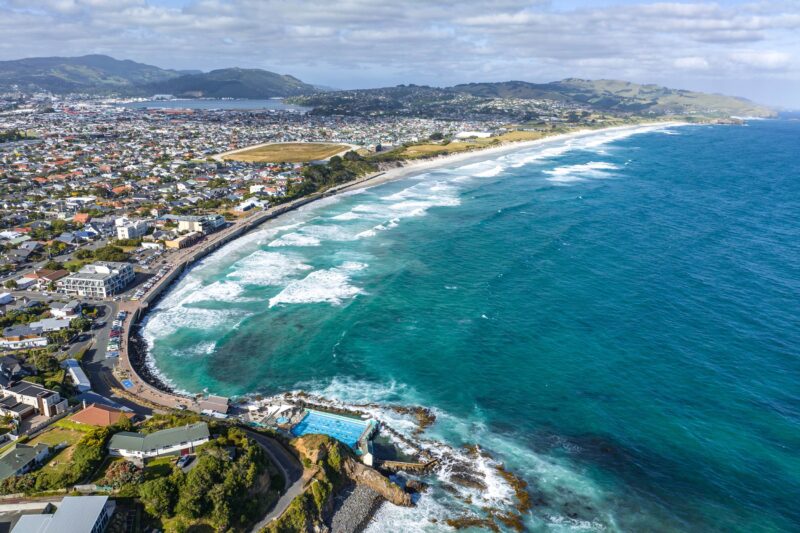
Clinging to the walls of the natural amphitheater at the west end of Otago Harbour, the South Island's second-largest city is enriched with inspiring nearby seascapes and wildlife. Because Dunedin is a university town, floods of students give the city a vitality far greater than its population of 122,000 might suggest. Its manageable size makes it easy to explore on footтАФwith the possible exception of Baldwin Street, the world's steepest residential street and home to the annual "gutbuster" race, in which people run up it, and the "Jaffa" race, in which people roll the namesake spherical chocolate candy down it.Dunedin, the Gaelic name for Edinburgh, was founded in 1848 by settlers of the Free Church of Scotland, a breakaway group from the Presbyterian Church. The city's Scottish roots are still visible; you'll find New Zealand's first and only (legal) whisky distillery, a statue of Scottish poet Robert Burns, and more kilts, sporrans, and gillies than you can shake a stick at! The Scottish settlers and local M─Бori came together in relative peace, but this wasn't true of the European whalers who were here three decades before, as places with names such as Murdering Beach illustrate.Dunedin has always had a reputation for the eccentric. Wearing no shoes and a big beard here marks a man as bohemian rather than destitute, and the residents wouldn't have it any other way. The University of Otago was the country's first university and has been drawing writers ever since its founding in 1871, most notably Janet Frame and the poet James K. Baxter. Dunedin also has a musical heritage, which blossomed into the "Dunedin Sound" of the 1970s and '80s.

Map

Need advice?

It's good to talk to people who have been there.

No hard sell. Just excellent advice.
And Penguins.

Choose Your Date
Loading new tour date...
Next Step - Choose Your Cabin

The Ship

Introducing
The Greg Mortimer is the perfect choice for travellers looking for a small expedition ship with a great expedition team. Expedition cruises on Greg Mortimer focus on maximising time off the ship exploring. The ship offers a wide variety of optional activities, such as sea kayaking and polar diving (previous experience is required).

Choose Your Cabin

Deck Plan

Deck 3 Greg Mortimer

See Similar Cruises

Request Reservation

Cabin Name

For a no obligation quote please fill in your details.

Enquire

Cabin Name

Please fill in your details to make an enquiry.

Share tour

Facebook
X
LinkedIn
Email

Talk To A Polar Pro

Choose how you would like to contact us. We look forward to sharing our passion for the polar regions with you.

Book A Free
Consultation

Send A
Message

Call
Us

Send A Message

We kindly ask you to share your plans and interests as much as possible so our Travel Experience Team can best assist you.

Save £500 off your polar cruise
Request A Quote
Get the best price for your cruise and hold a cabin free of charge for 7 days.
Ask Us
Have a question? We know all the answers.

Email me this tour

Welcome To Polar Escapes

Search and book the largest selection of expedition cruises and tours to the Arctic and Antarctica.

Try us and Save ┬г500 on your first booking*

*T&CтАЩs Apply

All Search Filters

Destination
Anywhere
Destination
Departure Date
Select date
Ship
Any ship
Ship
Price range
Price - slider
0 тАФ 50,000
Activity
Any activity
Activity
Number of guests
Any number
Guests