This incredible journey takes you through one of the world’s most famous and challenging waterways, between Nuuk, Greenland’s vibrant capital, and Kugluktuk, Nunavut. You’ll have unparalleled access to remote Arctic communities, stunning glacial landscapes, and abundant wildlife, including polar bears, whales, and Arctic seabirds. You’ll be guided by Inuit cultural educators, marine biologists and expedition specialists who know the region’s natural and cultural history inside out.
The itinerary includes some of the Arctic’s most spectacular destinations: the UNESCO World Heritage Site of Ilulissat Icefjord with its towering icebergs, the wildlife-rich waters of Tallurutiup Imanga (Lancaster Sound) and the historically significant Beechey Island, where Franklin expedition members are buried. You’ll experience authentic cultural exchanges with Inuit communities through drum dancing, throat singing and traditional storytelling, and explore the rugged landscapes of Devon Island—the largest uninhabited island on Earth. You’ll visit archaeological sites, go tundra hiking and take Zodiac excursions among glaciers and ice-strewn waters that have challenged explorers for centuries.
The cruise includes special permits, Zodiac excursions, cultural performances and 24/7 beverages, with charter flights from Toronto to Nuuk and from the Arctic back to Yellowknife. Follow in the wake of legendary explorers like Roald Amundsen and benefit from modern expedition expertise on this once-in-a-lifetime journey to traverse the Northwest Passage—a feat few can claim—while gaining a deep appreciation for Arctic wilderness and Inuit culture.


Located at the mouth of the Coppermine River, Kugluktuk is the westernmost community in Nunavut. Known for many years as Coppermine, the community reverted to its original Inuinnaqtun name—meaning “place of moving waters”—on January 1st, 1996. Our charter flight will land in Kugluktuk and we will embark the ship by Zodiac.Iqaluktuuttiaq (Cambridge Bay), NU, is an alternate embarkation point, and may be used based on sea, ice, and weather conditions.

Experience the glory of the subarctic tundra in the fall and perhaps discover a geological wonder at Port Epworth. Here, intriguing rock formations known as stromatolites stand as evidence of some of Earth's earliest life forms. These fossilized structures, created by cyanobacteria billions of years ago, played a crucial role in producing oxygen, forming an essential link in creating Earth's atmosphere and allowing other life forms to evolve.Sail onward into the storied waters of the Coronation Gulf, where the legendary Roald Amundsen navigated with his six-man crew to complete the Northwest Passage in 1905. Learn more about the vital role that Inuit knowledge played in Arctic exploration, including Amundsen's expedition.Visit an Inuit community in this least populated region of Nunavut and feel the excitement and warm hospitality as you listen to stories of resilience, adaptation, and a deep love for the land.Join a Zodiac cruise at Conningham Bay, where the stark beauty of the Arctic tells a timeless story of survival and adaptation. Here, the paths of polar bears intersect with the watery journeys of belugas—one the hunter, the other the prey. With luck, you'll witness these majestic creatures in their natural habitat, an unforgettable moment etched onto the stark Arctic landscape.Each stop along the way feels like stepping into a living museum, where geology, landscape, wildlife, and culture weave together into a story only this iconically northern place can tell.
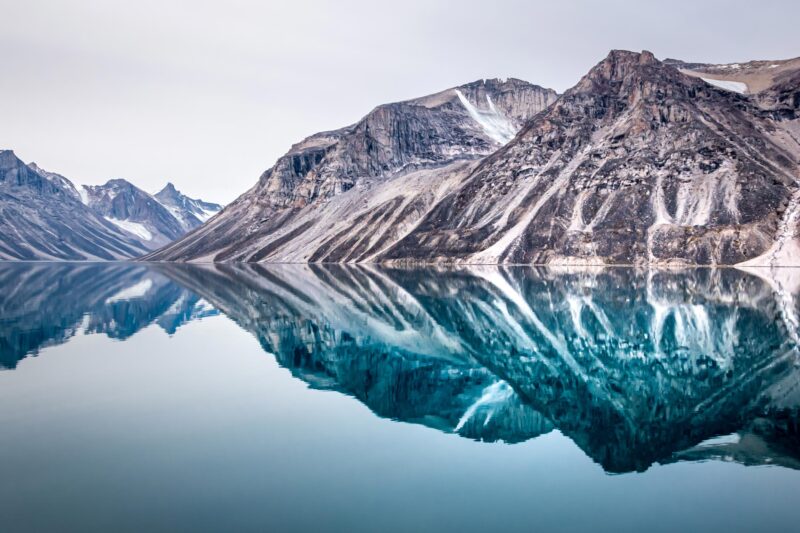
Discover the famed Ikirahaq (Bellot Strait), a narrow passage separating Somerset Island from the Boothia Peninsula. As we sail through this two-kilometre-wide waterway, get the unique opportunity to reach the northernmost part of mainland North America.Keep watch for an array of enchanting marine mammals from beluga whales to narwhals and seals.Delve into the region's fascinating history and learn about Joseph René Bellot, French naval officer and Arctic explorer who joined an 1850s expedition in search for Sir John Franklin, who inspired the strait's namesake.

In 1845, Sir John Franklin set out from England with the HMS Erebus and HMS Terror, attempting to sail through the Northwest Passage. His crew overwintered at Beechey Island, where three of his men died.Numerous search parties later used Beechey as a depot and rendezvous. Amundsen, Bernier, and Larsen visited Beechey. Thomas Morgan of HMS Investigator was buried here in 1854 alongside Franklin’s men. The graves and the ruins of Northumberland House are a haunting memorial.
Beechey Island is a small island off the southwest coast of Devon Island, separated by a narrow waterway called the Barrow Strait. Captain William Edward Parry was the first European to visit the island in 1819. His lieutenant, Frederick William Beechey, named the island after his father, the artist William Beechey (1753–1839). Beechey Island played a significant role in the history of Arctic Exploration. During the winter of 1845-46, Sir John Franklin and his men camped on the island as part of their ill-fated quest to find the Northwest Passage. Mummified remains of three of Franklin’s crew were discovered, giving a better understanding of what happened before the disappearance of the expedition. In 1850 Edward Belcher used the island as a base while surveying the area. Later, in 1903, Norwegian explorer Roald Amundsen stopped at the island at the beginning of his successful voyage in search for the Northwest Passage. Subsequently, Beechey Island has been declared a "Territorial Historic Site" since 1975 by the Northwest Territories government

We will spend ample time exploring Tallurutiup Imanga (Lancaster Sound), one of the newest National Marine Conservation Areas in Nunavut. Narwhal, beluga, and bowhead whales transit and feed in this area.Cruise by ship and Zodiac in search of wildlife with expert biologists and ecologists. Learn more about the crucial role Inuit play in conserving the vibrant biodiversity of these waterways and the enduring connection between the ocean and Inuit.On the northern border of Tallurutiup Imanga lies Devon Island, the largest uninhabited island on Earth at over 50,000 square kilometres. Flat-topped mountains, glacial valleys, and a substantial ice cap give Devon Island its unique character. We will hike the tundra, cruise a glacier face, and seek wildlife from the ship and onshore.

Ausuittuq means "place that never thaws." 1,150 kilometres above the Arctic Circle, Canada’s northernmost civilian community originated during the Cold War. In 1953, Inuit were relocated here by the Canadian government under false pretenses, with the aim of asserting Canadian sovereignty.We’ll be welcomed into the hamlet, where we will have a chance to meet members of the community, learn about their way of life, and hear their poignant stories.
Grise Fiord is an Inuit hamlet on the southern tip of Ellesmere Island, in the Qikiqtaaluk Region, Nunavut, Canada. It is one of three populated places on the island; despite its low population, it is the largest community on Ellesmere Island.
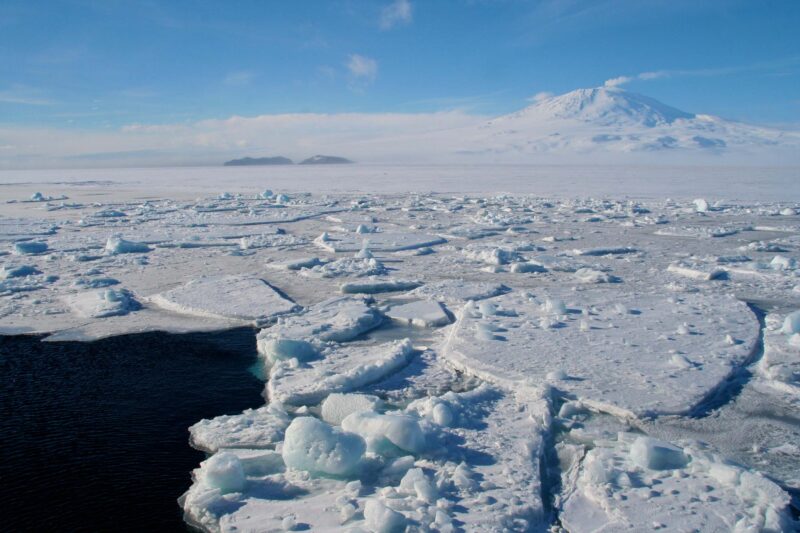
Smith Sound, an ancient Inuit travel route, divides Ellesmere Island from Greenland, and served as the main route for explorers and adventurers searching for the North Pole. Adolphus Greely, Sir George Nares, and Elisha Kent Kane all travelled these waters with varying degrees of success.

We will explore stunning fjords that line the coast. Glaciers and icebergs abound here. In true expedition style, we will seek opportunities to hike, explore, and view wildlife as conditions allow.Whether you're setting foot on land, cruising by Zodiac, or out on the ship's deck, you'll have plenty of chances to learn alongside expert geologists, naturalists, and marine biologists. You'll gain an intimate perspective on the abundant flora and fauna you encounter. Take a moment to savour the tranquility and absorb the knowledge and stories shared by Inuit cultural educators, which will deepen your connection to this breathtaking landscape.

Experience the remarkable beauty of Ilulissat Icefjord, renowned for its enormous icebergs. Ilulissat means “iceberg”—an apt name for this site at the outlet of the Sermeq Kujalleq glacier. It is a UNESCO World Heritage Site and the source of many of the icebergs in the North Atlantic.Marvel at the sheer grandeur of the towering ice formations as you take a stroll along the boardwalk—truly a sight to behold!Visit the town, with its museums, charming cafes, craft shops, and bustling fishing harbour. Be sure to make your way to the Ilulissat Icefjord Centre, where you can delve into the fascinating narratives surrounding the ice and gain a deeper appreciation for this awe-inspiring natural wonder.
Known as the birthplace of icebergs, the Ilulissat Icefjord produces nearly 20 million tons of ice each day. In fact, the word Ilulissat means “icebergs” in the Kalaallisut language. The town of Ilulissat is known for its long periods of calm and settled weather, but the climate tends to be cold due to its proximity to the fjord. Approximately 4,500 people live in Ilulissat, the third-largest town in Greenland after Nuuk and Sisimiut. Some people here estimate that there are nearly as many sled dogs as human beings living in the town that also boasts a local history museum located in the former home of Greenlandic folk hero and famed polar explorer Knud Rasmussen.

Explore West Greenland’s complex coastal waterways that includes glaciers, islands, and fjords against a towering mountain backdrop, with plentiful opportunities for hiking and Zodiac cruising.Learn about the Saqqaq, Dorset, Thule, and modern Inuit cultures that have called the Sisimiut region home for the past 4,500 years.The waters are relatively warm here, due to the West Greenland Current and the subarctic location.
Located just north of the Arctic Circle, Sisimiut is the northernmost town in Greenland where the port remains free of ice in the winter. Yet it is also the southernmost town where there is enough snow and ice to drive a dogsled in winter and spring. In Sisimiut, travelling by sled has been the primary means of winter transportation for centuries. In fact, the area has been inhabited for approximately 4,500 years. Modern Sisimiut is the largest business center in the north of Greenland, and is one of the fastest growing Greenlandic cities. Commercial fishing is the lead economy in the town‘s thriving industrial base.

Kangerlussuaq Fjord (Søndre Strømfjord) is one of the longest fjords in the world and boasts 190 kilometres of superb scenery. We end our adventure by sailing up this dramatic fjord.Kangerlussuaq, the town at its eastern head, is a former U.S. Air Force base. Here we will disembark for our return charter flight to Toronto, ON.
The name Kangerlussuaq means "Big Fjord" in the local Kalaallisut language. The settlement of about 500 people is located in western Greenland on flat land at the head of a fjord with the same name. Kangerlussuaq is the site of Greenland's largest commercial airport and most of the economy here is dependent on the air transportation hub and tourism. The rugged lands around the settlement support terrestrial Arctic fauna including muskoxen, caribou, and Gyrfalcons.
No hard sell. Just excellent advice.
And Penguins.



Try us and Save £500 on your first booking*
Our website uses cookies to give you the best and most relevant experience. By clicking on accept, you give your consent to the use of cookies as per our privacy policy.