




Forgotten Islands of the South Pacific
Queenstown - Invercargill



You won’t find them mentioned in a travel brochure on your high street; you won’t find them in most guidebooks, you probably don’t know anyone that has ever been there and they don’t even appear on some maps of New Zealand’s South Pacific – these are the ‘forgotten islands’. As featured in Conde Nast Traveler’s influential ‘The 25 Best Places to Go in 2025’ list along with Heritage Expeditions and our voyages, these islands are among the most remarkable wildlife reserves in the Southern Ocean, designated UNESCO World Heritage sites and afforded the highest protection of any nature reserves in New Zealand. Remote, uninhabited and on no regular shipping route, access is further restricted by a strict Management Plan which limits the number of people allowed ashore each year.
Heritage Expeditions is the most experienced Southern Ocean operator, and the only Australasian family-owned and operated cruise company, and have been exploring the Subantarctic Islands for more than 35 years. This is one of our ‘signature expeditions’ ensuring you will benefit from our unrivalled knowledge and expertise of the region.
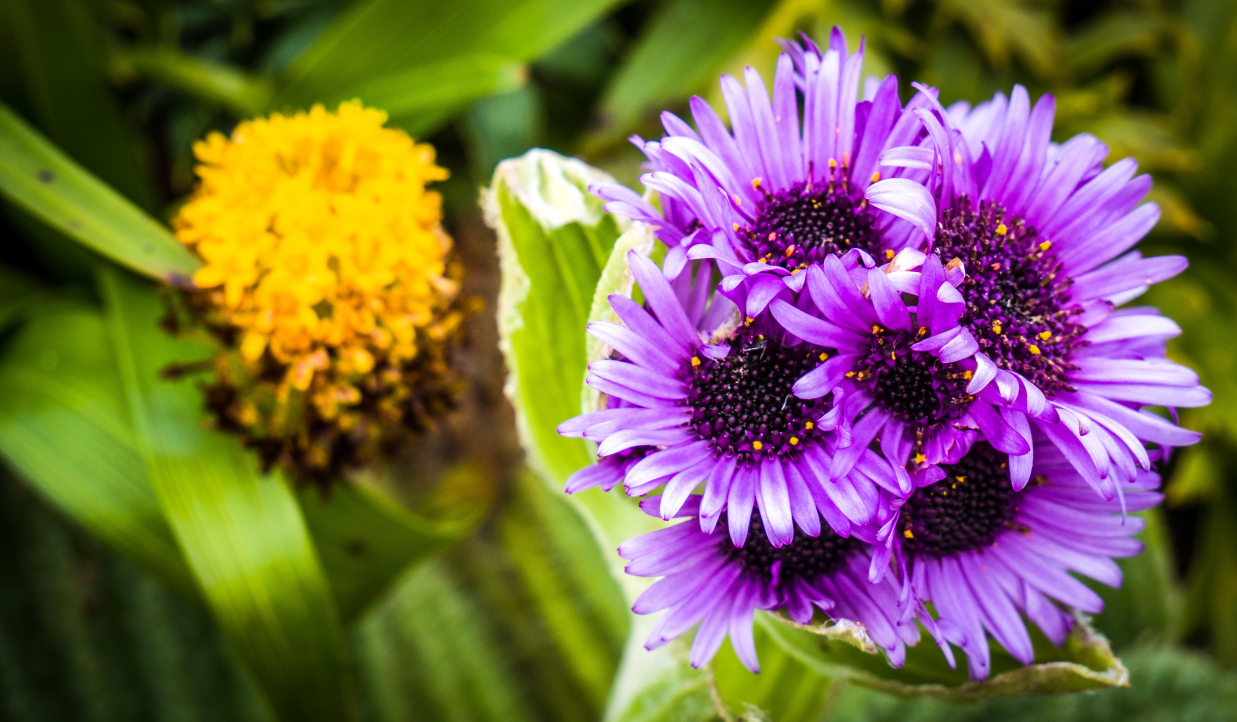
Departing the Port of Bluff, Invercargill, the first of these islands we visit is Campbell Island, the southernmost island of this expedition, is an example of what can be achieved in restoring islands. In recent years sheep, cattle, cats and rats have all been eliminated and the island is rapidly recovering. The great English botanist Sir Joseph Hooker, a friend of Charles Darwin, visited Campbell Island in the 1840s and described the flowering fields of ‘megaherbs’ to be a flora display “second to none outside of the tropics”. We can say the same now, because of the removal of these introduced animals. This island is also the home of the majestic Southern Royal Albatross, the endemic Campbell Island Flightless Teal and Snipe.
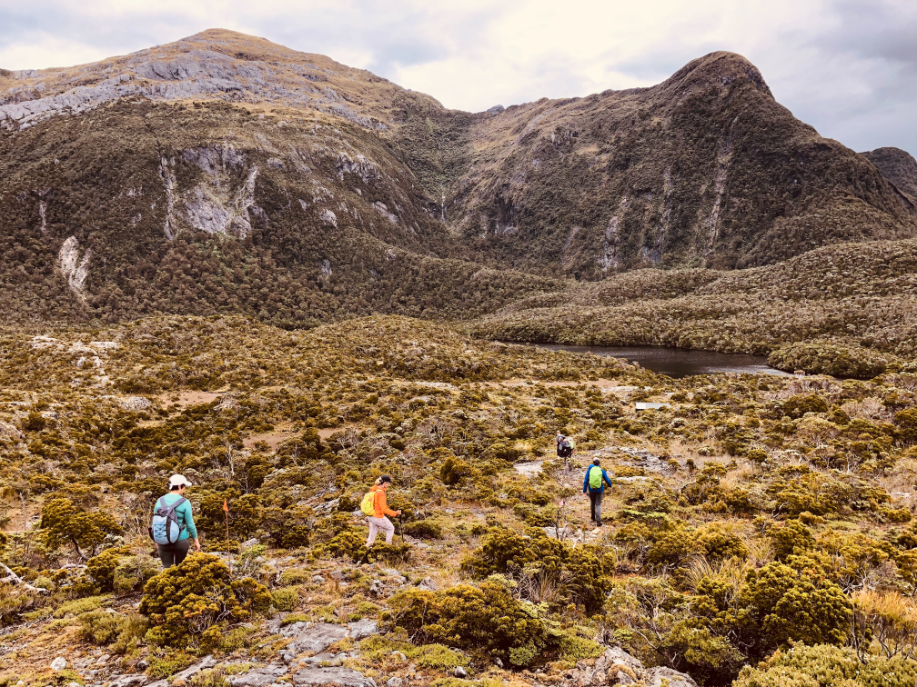
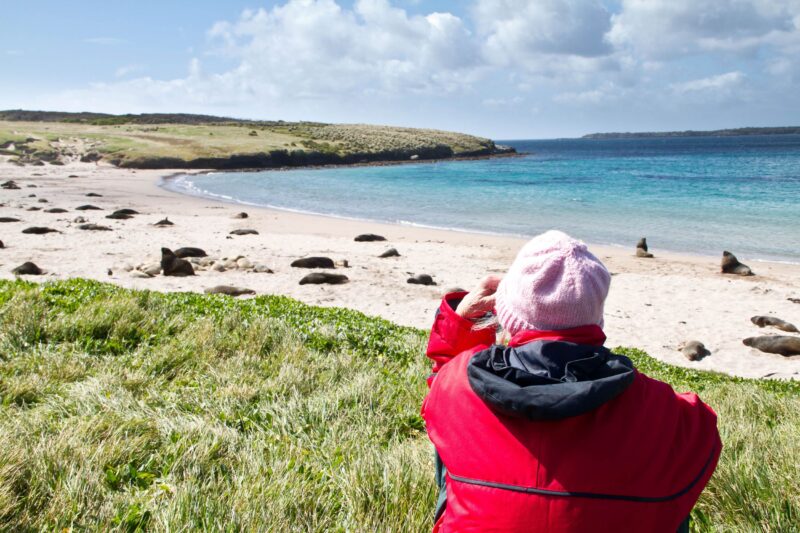
In the Auckland Islands, the largest of the island groups, we will have the chance to spend the day ashore on Enderby Island, arguably the most amazing Subantarctic Island. Here you can hike through the windswept Rata forests, and along the exposed coastal cliffs. The wildlife is never far away and its lack of fear means close encounters, great for photography and observations. In Carnley Harbour in the south of the Auckland Islands there are a number of fascinating sites, including a Shy Albatross colony, abandoned Coastwatcher’s huts, a shipwreck and castaway depots that we can visit. The weather will dictate what we do.
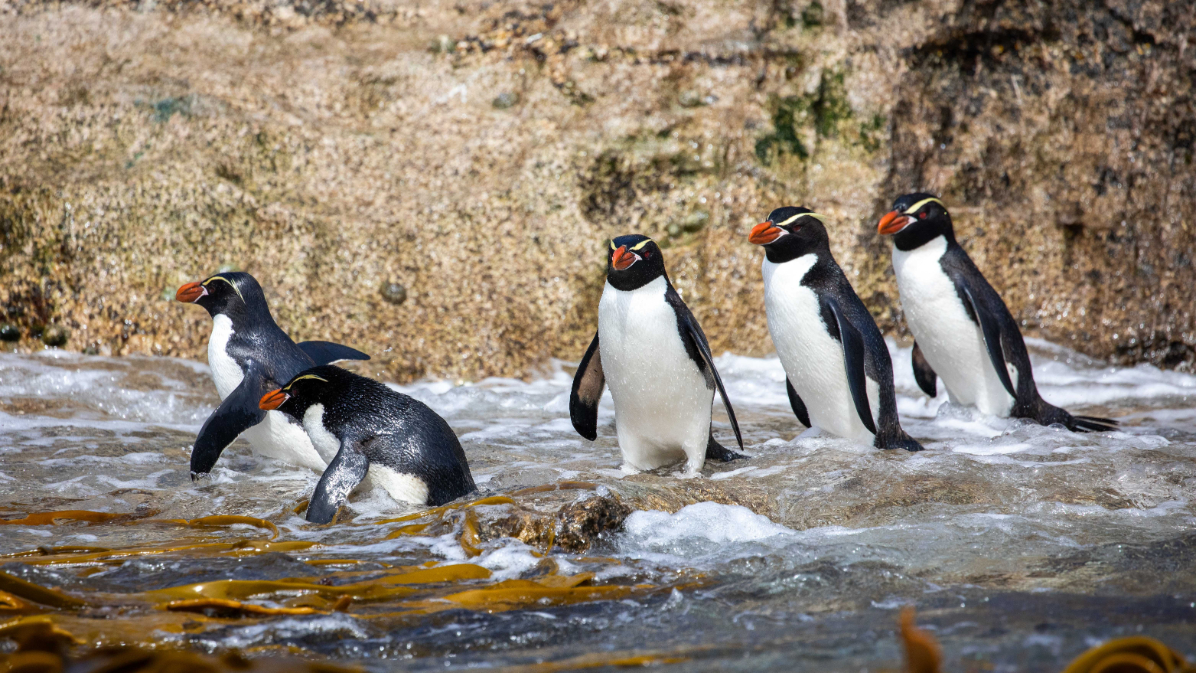
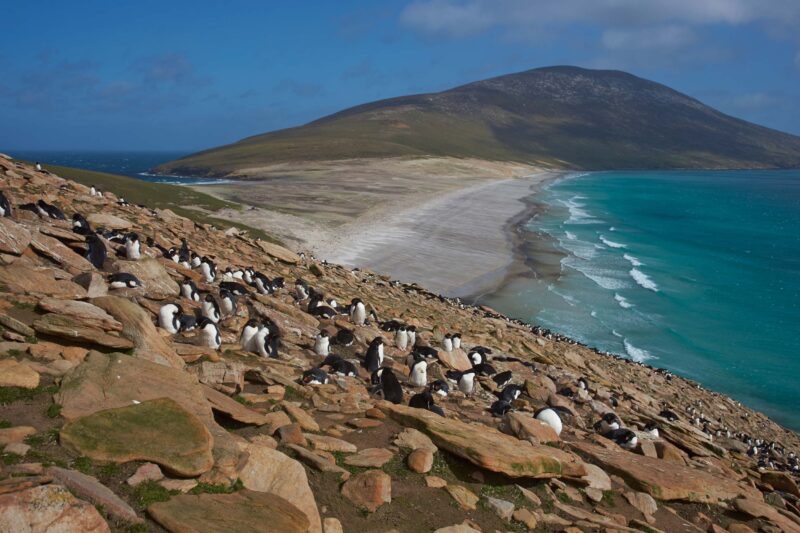
Our adventure then takes us to The Snares, where no landings are permitted because the islands are honey-combed with seabird burrows. Of particular interest are the Snares Crested Penguin, Fernbird and Tomtit – all of which are endemic. We should see them all as we enjoy the dramatic coastline and tree daisy forest from our Zodiac cruise.
These islands represent a priceless ecosystem. Joining this expedition redefines natural history travel and will leave you wishing you could have spent more time there. Our December 2025 voyage includes the option to join a sea kayaking excursion with an expert guide. Kayaking around the Subantarctic Islands offers a wide array of habitats to explore beyond the reach of our Zodiacs.
Please note: The 27 December 2026 voyage includes a hotel night in Invercargill instead of Queenstown. Guests should make their way to the designated hotel in Invercargill where we will spend the first night of the expedition, or join our 3pm Queenstown transfer from a designated meeting point to Invercargill.
Activities

Hiking

Lectures

Wildlife Watching

Zodiac Cruises
Itinerary
Day 1
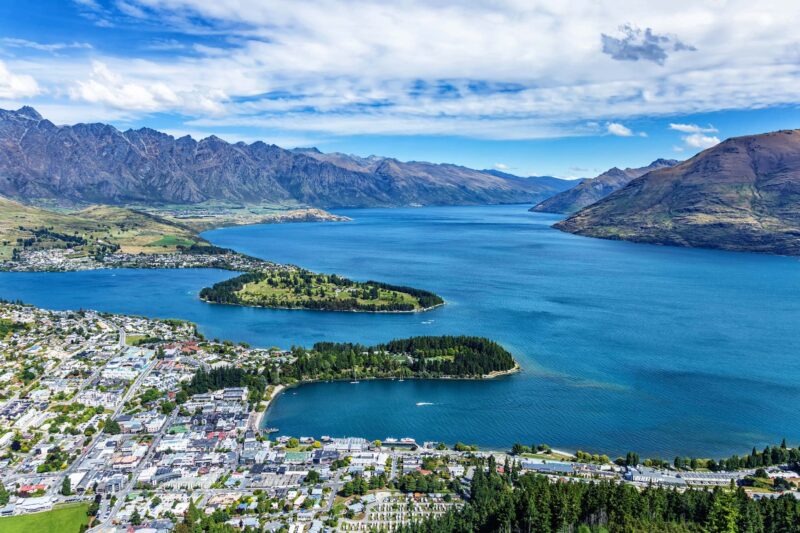
Queenstown
Day 2
Bluff
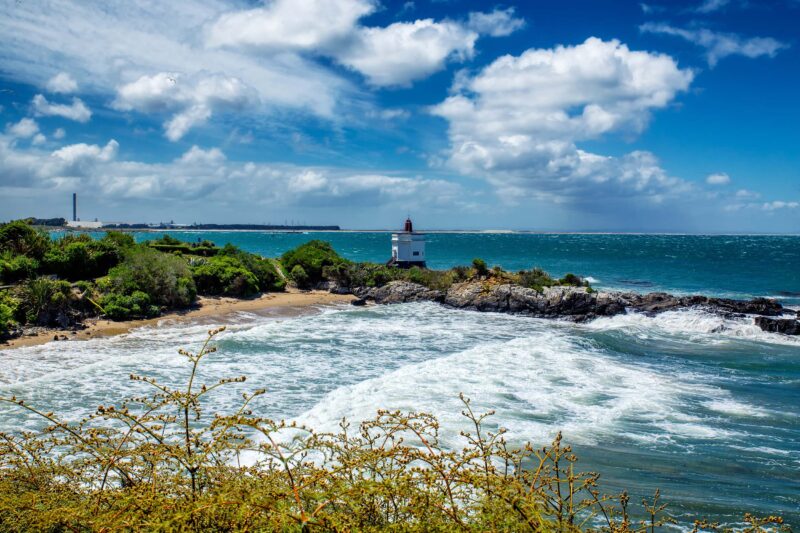
The most southernmost town in New Zealand, Bluff (or The Bluff as it is locally known) is perhaps the most European of all the settlements in the country. Called Campbelltown until 1917, the city was officially renamed after the 265 meter conical hill that towers above it. One of the farthest corners of the British Empire, the inaugural Royal Tour of New Zealand by Queen Elizabeth II and Prince Philip, the Duke of Edinburgh, concluded at Bluff in January 1954. Nowadays however, it is the Bluff oysters that are the stars of the show. Reputed to be the best in the world, these local heroes are what have really put Bluff on the map and are celebrated every May with a lively festival honouring Ostrea chilensis (that’s Latin for Bluff oyster). But gastronomy aside (and it is mostly oyster related), Bluff offers the adventurous traveller much in the way activity. Gateway to Stewart Island, day trippers here might enjoy hopping on the ferry for the hour long trip to Stewart Island, or New Zealand’s third island. Unspoilt, tranquil and stunning, Stewart Island is a showcase for New Zealand’s undiscovered tourism spots due to its privileged (yet remote) position in the world. However, for those who wish to stay on the mainland, the Bluff Maritime Museum is a “must visit” for anyone travelling along the Southern Scenic Route, with fascinating historical information about the many early shipwrecks in these challenging southern waters and coastlines. The comprehensive network of walking tracks will delight the ornithologists amongst you – just don’t forget your binoculars!
Day 4
Campbell Island
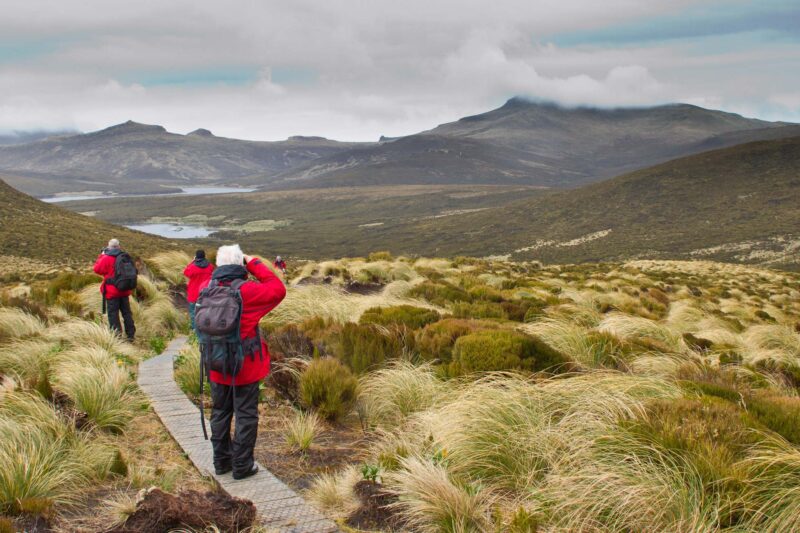
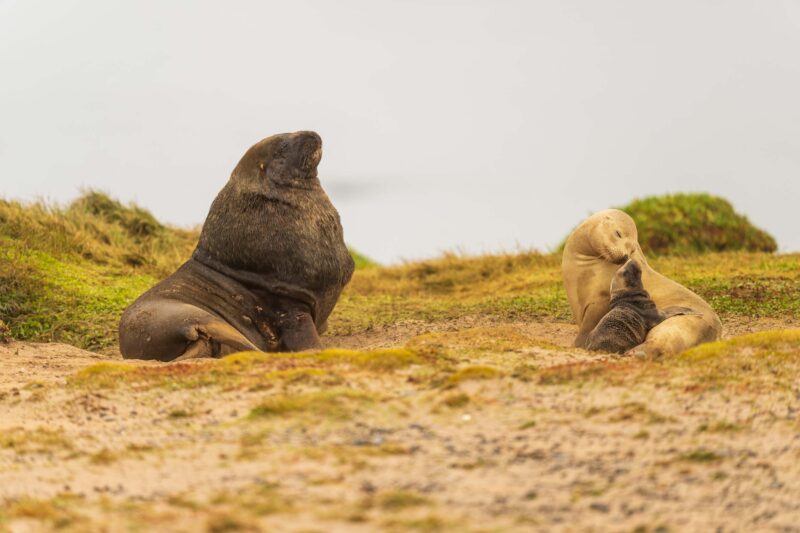
The Campbell Islands are a group of subantarctic islands in New Zealand. Known for its rich flora display, Campbell Islands are overflowing with megaherbs, herbaceous, perennial wildflowers which are recognised for their great size, colourful flowers and large leaves. The islands are furthermore home to some rare, and critically endangered birds including the Campbell Island teal and snipe. Enjoy a guided walk on the Col Lyell Saddle boardwalk and head out on the Zodiac for a unique tour around the coastline of Perseverance Harbour.
Day 5
Carnley Harbor, Auckland Islands
Day 6
Enderby Island
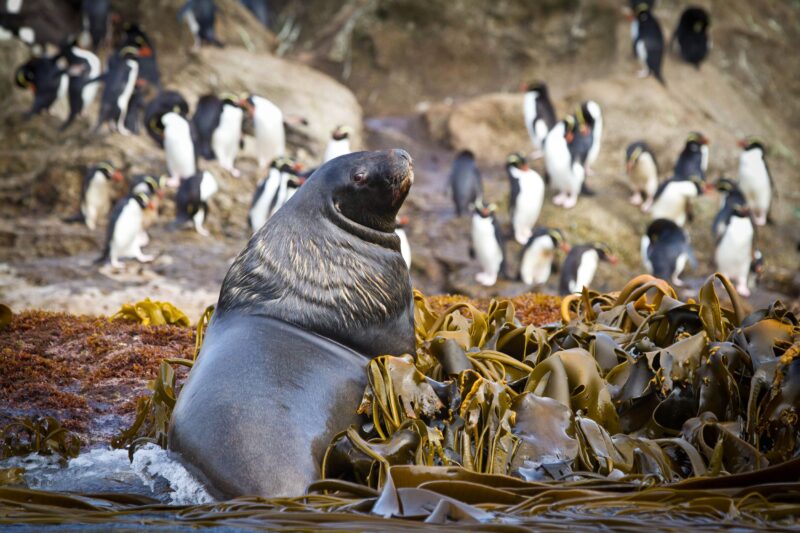
Enderby Island is the second largest island in the archipelago which is brimming with a magnificent flora and fauna environment. The island has become well known for being home to the rare yellow-eyed penguin and it is further the primary breeding location for the New Zealand Sra Lion. Enjoy a guided tour of the Northern Cliffs track and if you’re lucky, spend some time observing the sea lion colony.
Day 7
Snares Islands
The Snares Islands, also known as ‘The Snares’ are the northernmost of New Zealand's subantarctic islands. The islands are totally uninhabited and land mammals were never introduced on the islands, so it is only inhabited by sea mammals, birds and flora. The area is among one of five subantarctic island groups forming the New Zealand Subantarctic Islands, designated as a World Heritage Site by UNESCO.
Day 8
Oban, Stewart Island
Stewart Island is home to New Zealand's newest national park, Rakiura National Park. The third and most southerly of New Zealand's main islands, Stewart Island is separated from the South Island by the 24-km (15-miles) Foveaux Strait. Its original Māori name, Te Punga O Te Waka a Maui, means "the anchor stone of Maui's canoe." Māori mythology says the island's landmass held the god Maui's canoe secure while he and his crew raised the great fish—the North Island. Today the island is more commonly referred to by its other Māori name, Rakiura, which means "the land of the glowing skies." This refers to the spectacular sunrises and sunsets and to the southern lights, or aurora australis. The European name of Stewart Island dates back to 1809. It memorializes an officer William W. Stewart on an early sealing vessel, the Pegasus, who was the first to chart the island. The island covers some 1,700 square km (650 square miles). It measures about 75 km (46 miles) from north to south and about the same distance across at its widest point. On the coastline, sharp cliffs rise from a succession of sheltered bays and beaches. In the interior, forested hills rise gradually toward the west side of the island. Seals and penguins frequent the coast, and the island's prolific birdlife includes a number of species rarely seen in any other part of the country. In fact, this is the surest place to see a kiwi. The Stewart Island brown kiwi, or tokoeka, is the largest species of this kind of bird. Unlike their mainland cousins, these kiwis can be seen during the day as well as at night. It's a rare and amusing experience to watch these pear-shape birds scampering on a remote beach as they feed on sand hoppers and grubs. Māori have visited Stewart Island for centuries. Archaeologists' studies of 13th-century Māori middens (refuse heaps) indicate that the island was once a rich, seasonal resource for hunting, fishing, and gathering seafood. A commonly eaten delicacy at that time, the titi, also known as the muttonbird, still occasionally appears on menus. In the early 19th century, explorers, sealers, missionaries, and miners settled the island. They were followed by fishermen and sawmillers who established settlements around the edges of Paterson Inlet and Halfmoon and Horseshoe bays. In the 1920s Norwegians set up a whaling enterprise, and many descendants of these seafaring people remain. Fishing, aquaculture, and tourism are now the mainstays of the island's economy. Even by New Zealand standards, Stewart Island is remote, raw, and untouched. The appeal is its seclusion, its relaxed way of life, and its untouched quality. Stewart Island is not for everyone: if you must have shopping malls, casinos, or umbrella drinks on the beach, don't come here. Visitors should be prepared for the fact that Stewart Island can be chilly, windy, and rainy, even in the middle of summer.
Day 8
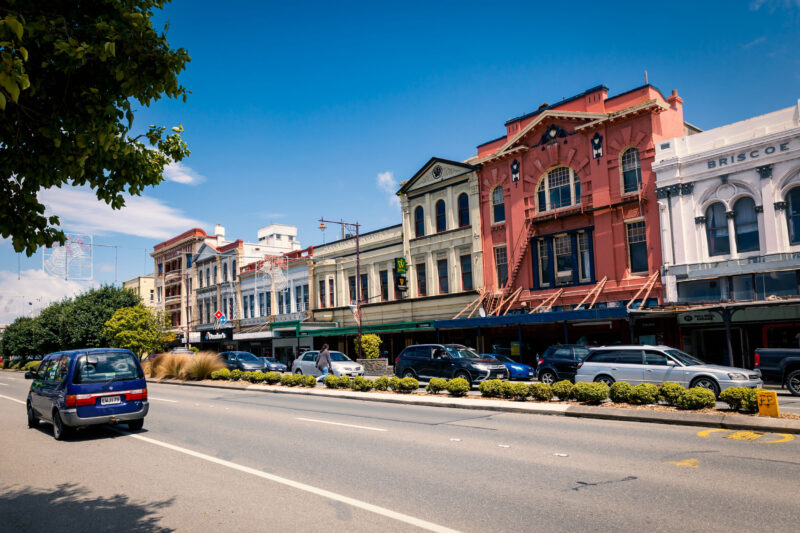
Invercargill
Day 8
Queenstown
Map
Need advice?
No hard sell. Just excellent advice.
And Penguins.
- Guaranteed Best Operator Price
- 100% Financial Protection
- Free Travel Advice and Support
The Ship


Choose Your Cabin
Deck Plan


See Similar Cruises

Request Reservation
Cabin Name
For a no obligation quote please fill in your details.