Save £500 off your polar cruise

Traversing the Northwest Passage

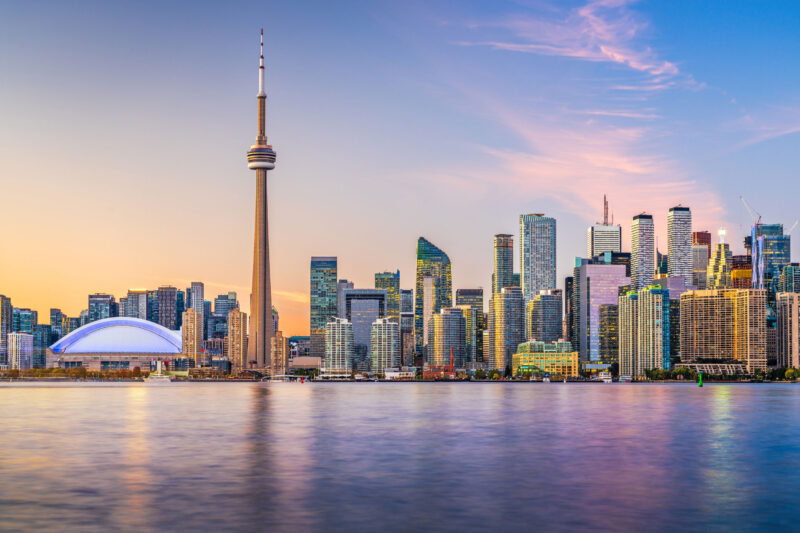
Toronto, Ontario - Anchorage, Alaska

Choose Your Date
Loading new tour date...
Next Step - Choose Your Cabin
Greg Mortimer
132 Guests
29 Days

Welcome to AE ExpeditionsтАЩ Traversing the Northwest Passage (formerly called Complete Northwest Passage) expedition.я╗┐On this epic voyage inspired by Roald AmundsenтАЩs historic expedition, we attempt to sail the full length of the Northwest Passage, carving our way west through the labyrinthine maze of waterways that hug the fabled islands of Arctic Canada until we reach the Beaufort Sea. Building on our classic Northwest Passage voyage, we visit historical sites explored by heroic explorers, meet the incredible folk that call this region home, and search for enigmatic wildlife found in this unique corner of the world. Pack ice may halt our voyage through the passage, so brace yourself for a genuine expedition where adventure awaits at every turn.

See More

Activities

Hiking

Lectures

Polar Plunge

Sea Kayaking

*

Wildlife Watching

Zodiac Cruises

* Optional with additional cost

Itinerary

Toronto
Day 1

Toronto, Ontario

Having made your way to Toronto Airport, check-in at our group hotel located near the airport for an overnight stay.Please visit the Aurora Expeditions hospitality desk to collect your luggage cabin tags and to speak with our groundoperations team, who may have information to share with you about pre-embarkation procedures and the charterflight to Nuuk tomorrow. You will receive Aurora Expeditions cabin tags for your luggage. Please clearly label the tagswith your name and ship cabin number.
nuuk
Day 2

Nuuk (Godthaab)

After breakfast at the hotel, board our charter flight to Nuuk, Greenland, where our vessel Sylvia Earle awaits. Afterboarding, there is time to settle into your cabin before our important safety briefings. This evening, meet yourexpedition team and crew at the CaptainтАЩs Welcome Drinks.

Nuuk, meaning тАЬthe capeтАЭ, was GreenlandтАЩs first town (1728). Started as a fort and later mission and trading post some 240 kilometers south of the Arctic Circle, it is the current capital. Almost 30% of GreenlandтАЩs population lives in the town. Not only does Nuuk have great natural beauty in its vicinity, but there are Inuit ruins, Hans EgedeтАЩs home, the parliament, and the Church of our Saviour as well. The Greenlandic National Museum has an outstanding collection of Greenlandic traditional dresses, as well as the famous Qilakitsoq mummies. The Katuaq Cultural CenterтАЩs building was inspired by the undulating Northern Lights and can house 10% of NuukтАЩs inhabitants.

Day 3

Sisimiut (Holsteinsborg)

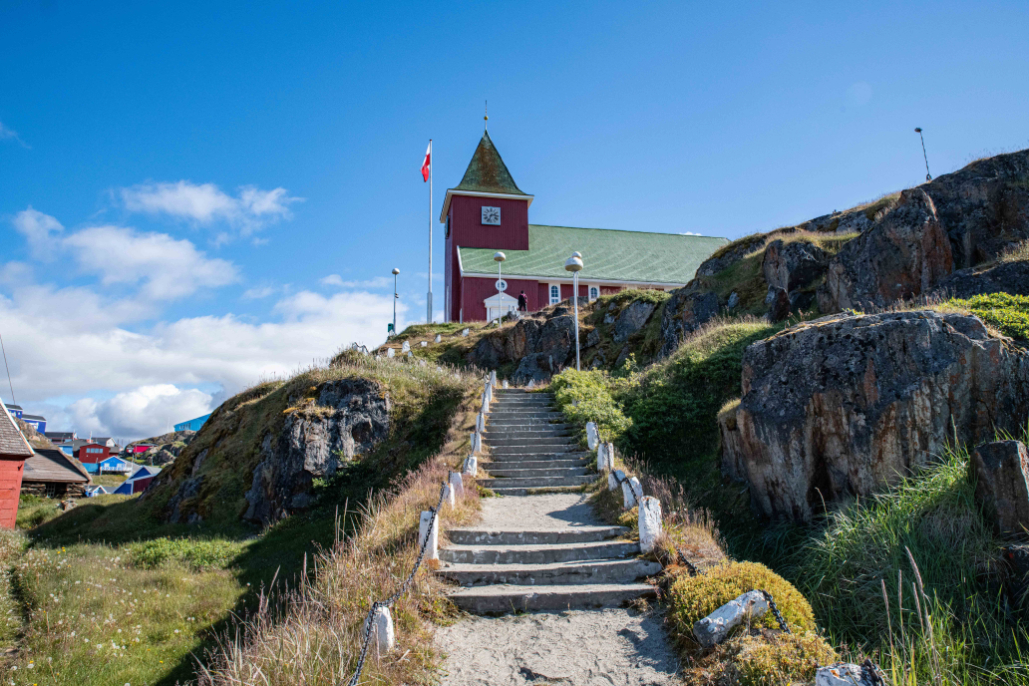
GreenlandтАЩs second largest town, Sisimiut is located approximately 54 kilometres (33.5 miles) north of the ArcticCircle, meaning that during summer, you can experience the midnight sun here. The town is famous for the old bluechurch with the gate made of whale bone. In the cosy museum next door to the church, you will find an excellentreconstruction of an Inuit turf house as well as exhibits of local history and early life in Greenland.Approximately 4,500 years ago, the Saqqaq culture arrived from Canada and settled in the area. They lived here forapproximately 2,000 years, after which they mysteriously disappeared from the area. The Dorset culture arrivedaround 500 CE and stayed until the 1200s until they were replaced by the Thule culture, and today, most of thepopulation of Sisimiut are descendants of the Thule culture.

Located just north of the Arctic Circle, Sisimiut is the northernmost town in Greenland where the port remains free of ice in the winter. Yet it is also the southernmost town where there is enough snow and ice to drive a dogsled in winter and spring. In Sisimiut, travelling by sled has been the primary means of winter transportation for centuries. In fact, the area has been inhabited for approximately 4,500 years. Modern Sisimiut is the largest business center in the north of Greenland, and is one of the fastest growing Greenlandic cities. Commercial fishing is the lead economy in the townтАШs thriving industrial base.

Ilulissat
Day 4

Ilulissat (Jakobshavn)

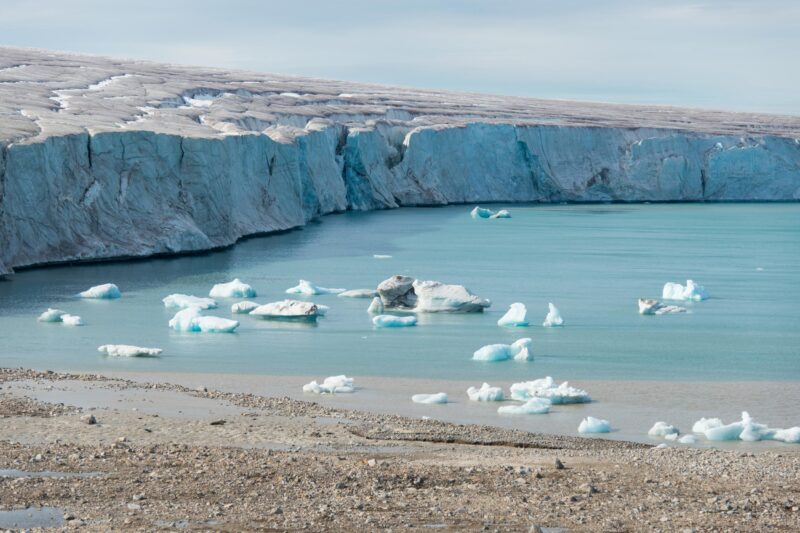
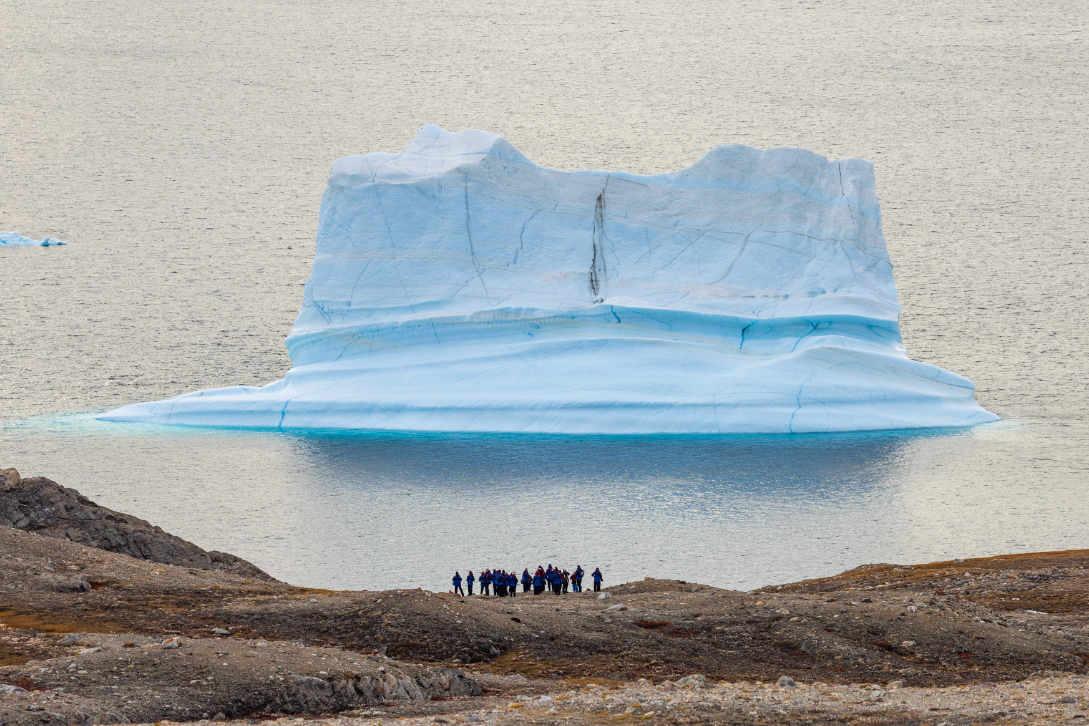
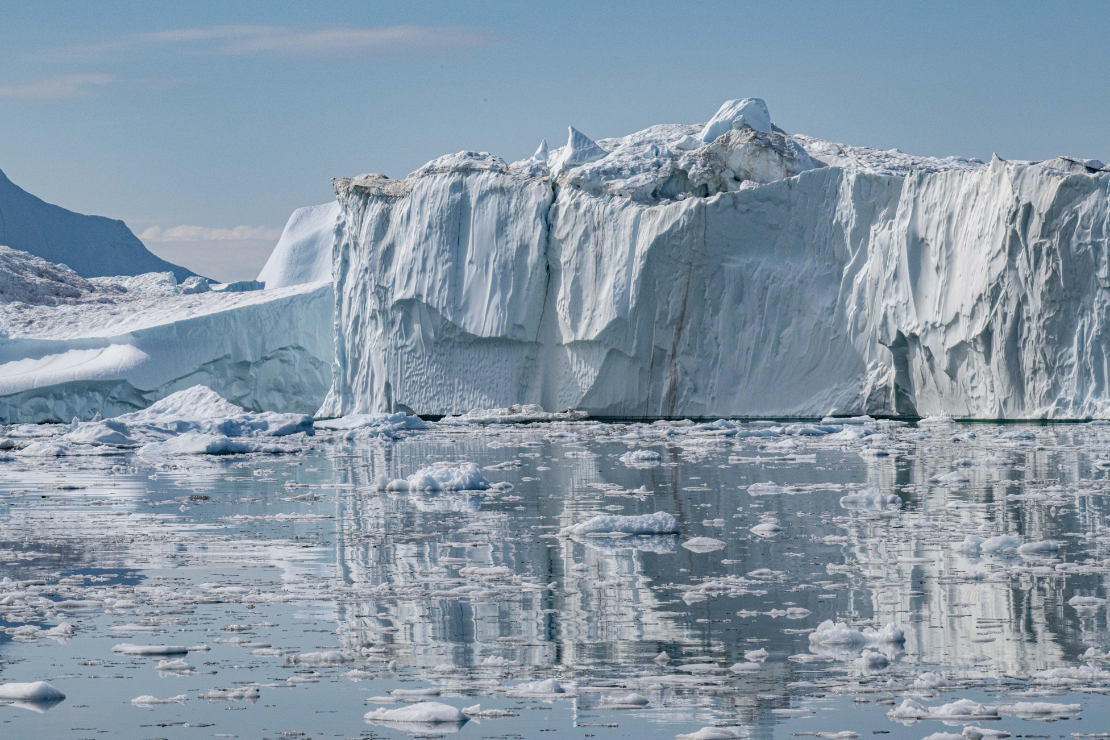
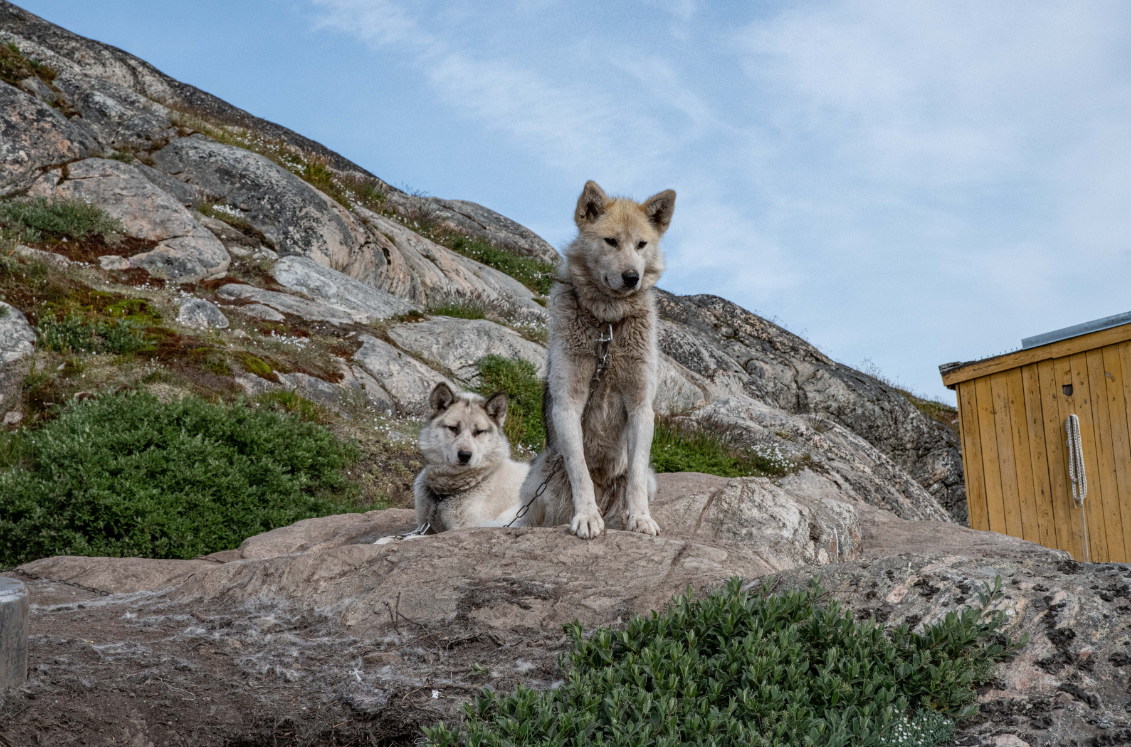
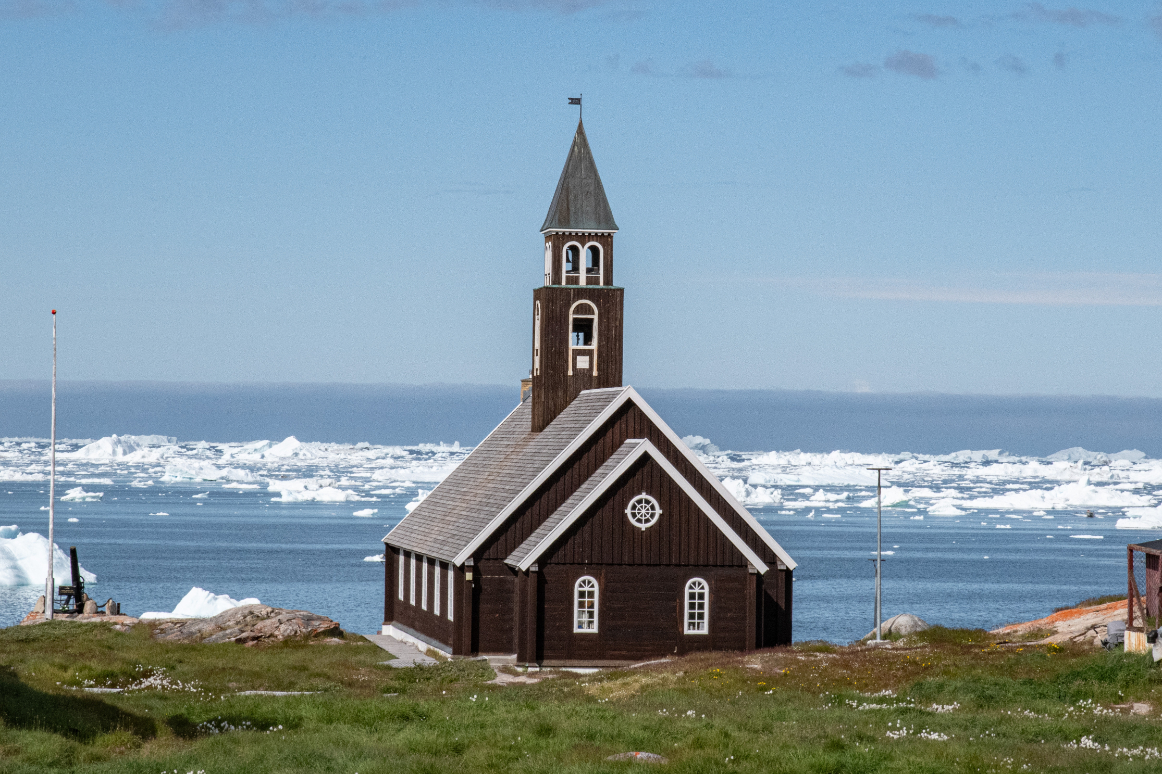
In the afternoon we arrive in Ilulissat. Known as the тАШbirthplace of icebergsтАЩ, this region produces some of the mostdazzling icebergs found anywhere in the Arctic. Hike past the husky sledge dogs to the UNESCO World Heritage-listedIcefjord and stand in awe at its immensity. Sermeq Kujalleq, also known as Jakobshavn Glacier, is the mostproductive glacier тАУ not only in Greenland but the entire Northern Hemisphere. It produces 20 million tonnes of iceeach day, all floating into the Ilulissat Icefjord and Disko Bay.Optional helicopter flight (90 mins):This excursion is the only way you can get close to the gigantic glacier. The 10-seater helicopter departs from IlulissatAirport sweeping over hills, lakes and ice fjords. Land on the mountain at Kangia, in the middle of the preservedarea, where you can revel in the incredible surroundings. On the return flight to Ilulissat, fly above the edge of theglacier with breathtaking views of the massive icebergs drifting in the fjord. The views of some of the largest icebergsthat become stranded on a moraine underneath the water, just outside the town, offers a wonderful finale to thisexcursion.Please note that this is a paid excursion and requires a minimum of 8 passengers to operate and seats are strictlylimited. Bookings must be made before departure and cannot be booked onboard. Cut off is usually 90 days prior.Please call reservations for pricing.

Known as the birthplace of icebergs, the Ilulissat Icefjord produces nearly 20 million tons of ice each day. In fact, the word Ilulissat means тАЬicebergsтАЭ in the Kalaallisut language. The town of Ilulissat is known for its long periods of calm and settled weather, but the climate tends to be cold due to its proximity to the fjord. Approximately 4,500 people live in Ilulissat, the third-largest town in Greenland after Nuuk and Sisimiut. Some people here estimate that there are nearly as many sled dogs as human beings living in the town that also boasts a local history museum located in the former home of Greenlandic folk hero and famed polar explorer Knud Rasmussen.

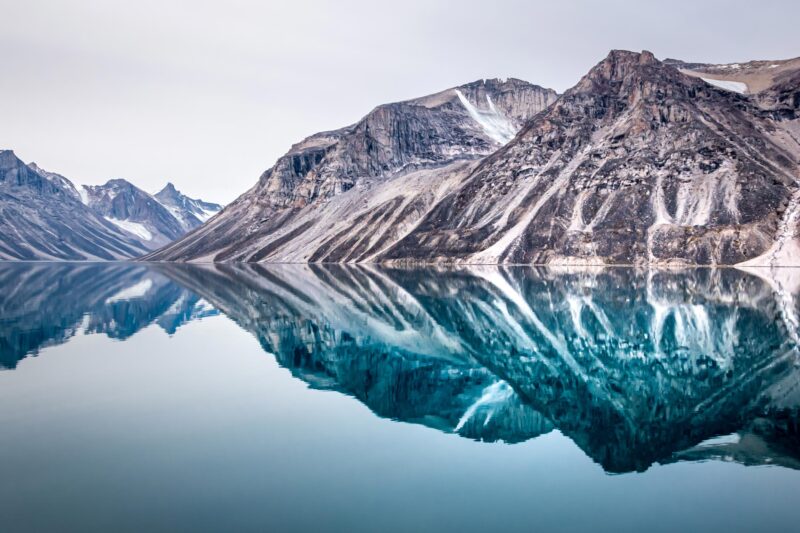
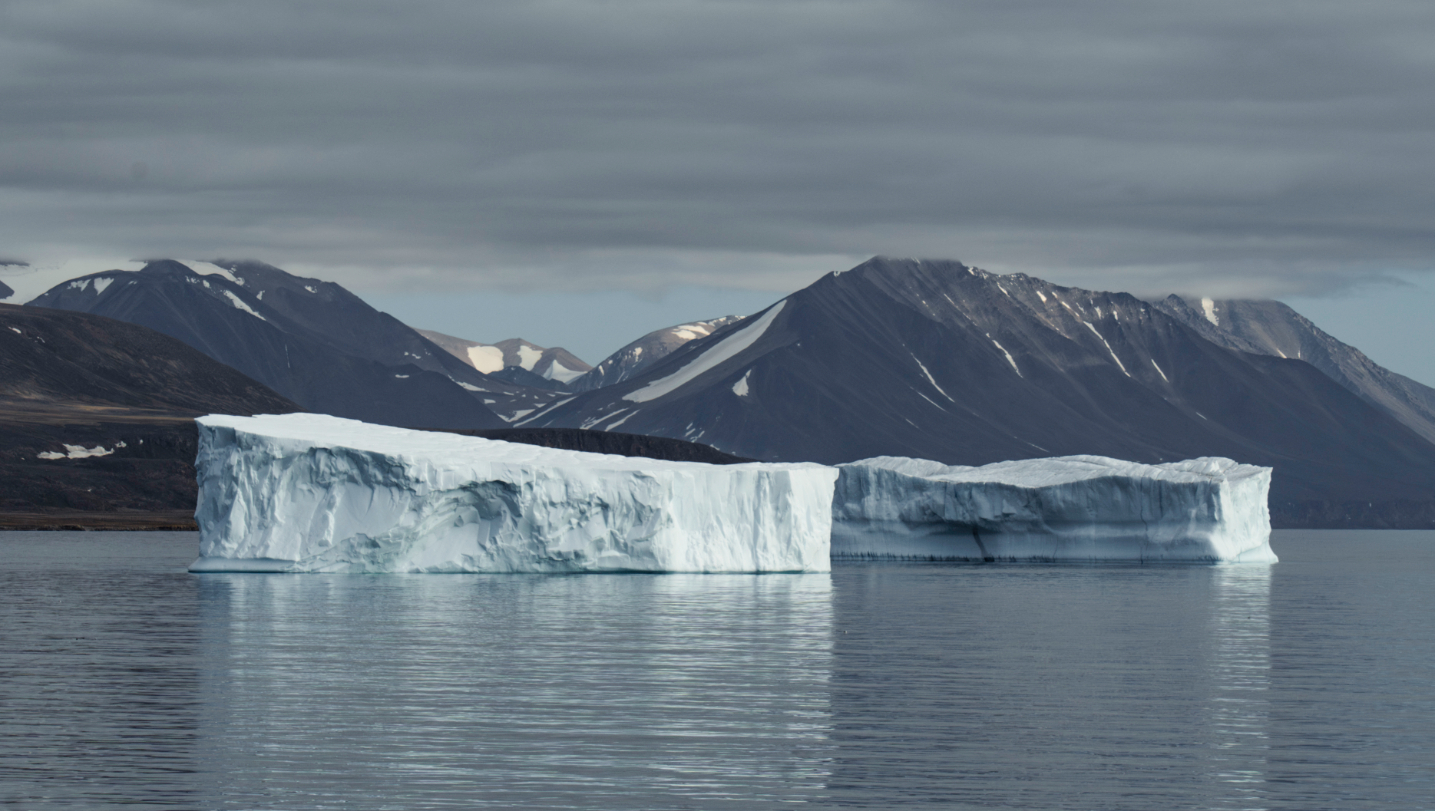
Mountains and icebergs in Northeast Greenland
Days 5-7

Northwest Greenland

Explore the northern stretches of West Greenland, home to traditional settlements and enormous icebergs thatGreenland is famous for. Possibilities include Zodiac cruises, hikes and a visit to one of the small communities thatare dotted along the coast. Kayakers can enjoy paddling among the icebergs and keeping watch for whales thatfrequent the area.
Day 9

Pond Inlet, Nunavut

After clearance into Canada, we hope to visit Pond Inlet (Mittimatalik), a captivating Inuit community nestled on thenorthern tip of Baffin Island. Surrounded by towering ice-capped mountains, vast glaciers, and pristine fjords, thisremote outpost offers an unparalleled wilderness experience. As you step ashore, you'll be greeted by the warmhospitality of the local Inuit, whose deep connection to the land is evident in their culture and lifestyle. Immerseyourself in their traditions through engaging cultural encounters and gain insights into their unique perspective onlife in the Arctic.

Located in northern Baffin Island, Pond Inlet is a small, predo┬мminantly Inuit community, with a population of roughly 1,500 inhabitants. In 1818, the British explorer John Ross named a bay in the vicinity after the English astronomer John Pond. Today Pond Inlet is considered one of Canada's "jewels of the North" thanks to several picturesque glaciers and mountain ranges nearby. Many archaeological sites of ancient Dorset and Thule peoples can be found near Pond Inlet. The Inuit hunted caribou, ringed and harp seals, fish, polar bears, walrus, narwhals, geese, ptarmigans and Arctic hares, long before European and American whalers came here to harvest bowhead whales. Pond Inlet is also known as a major center of Inuit art, especially the printmaking and stone carving that are featured in the townтАЩs art galleries.

Devon Island
Days 10-12

Devon Island, Nunavut

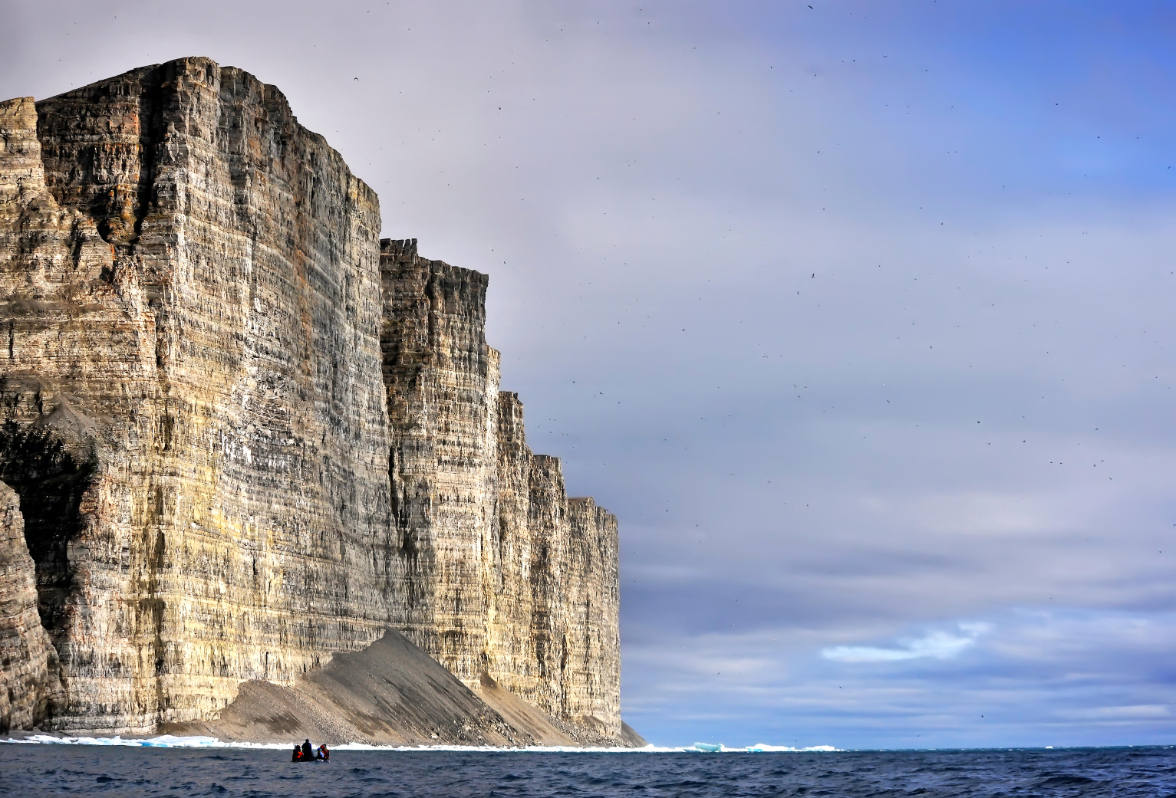
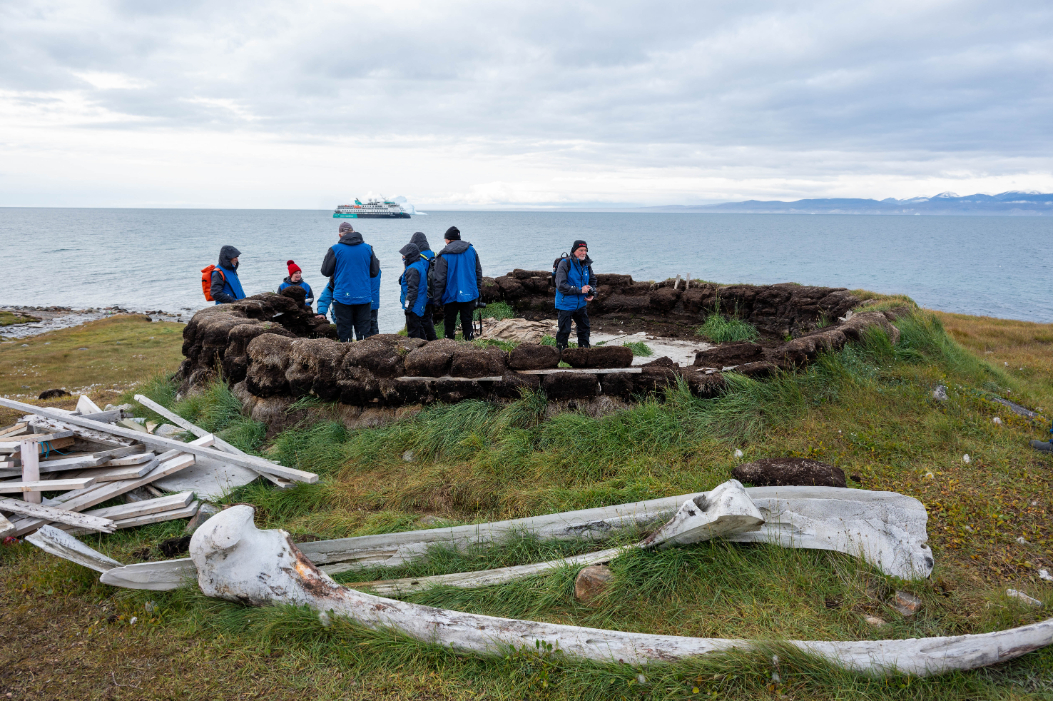
At a latitude of almost 75┬░ degrees north, we are now truly in the High Arctic. Here, nutrient-rich waters support anabundance of wildlife, giving the area the moniker тАШwildlife superhighwayтАЩ of the Arctic. Devon Island (Tallurutit) isthe largest uninhabited island on Earth and features stunning geology, with flat-topped mountains and glacial valleysgiving Devon Island its unique character. We hope to visit Dundas Harbour to enjoy offers walks on undulatingtundra, and perhaps some birdwatching. A dilapidated Royal Canadian Mounted Police outpost and remnants of aHudsonтАЩs Bay Company trading post can be found here. In the bay, walruses are often present. Other possible placesthat we might visit include Croker Bay and Maxwell Bay.At the western end of Devon Island lies Beechey Island (Iluvilik), where we plan to land. Named after FrederickWilliam Beechey, the island is a designated Canadian National Historic Site. During the Franklin expedition of 1845тАУ46, Franklin attempted to sail through the Northwest Passage with HMS Erebus and HMS Terror, with perilous resultsтАУ three of his men are buried here. Roald Amundsen landed at Beechey Island in 1903, during the first successfulvoyage by ship to fully transit the Northwest Passage from the Atlantic Ocean to the Pacific Ocean.Just a short distance away, Radstock Bay offers a captivating contrast to the open sea. Here, weтАЩll disembark viaZodiac onto a beach strewn with remnants of the past. Explore the ruins of a Thule village nestled beneath the imposing Caswell Tower, where well preserved stone dwellings coexist with artifacts from later explorers. Witnessthe stark beauty of this remote bay, characterised by its dramatic cliffs, gravelly beaches, and the scattered remainsof whale skeletons that have shaped the landscape and the lives of those who called it home.

Devon Island, located in Baffin Bay, is only slightly smaller than Croatia. The eastern side is frosted by the Devon Ice Cap, while on the western half of the island lays the 14 mile wide Haughton impact crater. It was created around 39 million years ago when a meteorite crashed into the land. The landscape surrounding this site resembles the surface of Mars. In fact, for the past decade scientists have conducted research here to determine how humans might live one day on Mars. British Arctic explorers Robert Bylot and William Baffin were the first Europeans to sight the island in 1616. In 1819-1820, William Parry charted the island, naming it North Devon after Devon in England. Despite repeated attempts at trading settlements, the strong wind conditions and cold climate eventually drove everyone away leaving Devon Island as a likely candidate for being the worldтАЩs largest uninhabited island.

Days 18-22

Amundsen Gulf, Northwest Territories

Your experienced expedition team will create your day-by-day itineraries based on sea ice and weather conditions.Apart from Franklin, other heroic explorers including Amundsen explored this territory, and we may visit the sameplaces as early explorers. We hope to meet the resilient locals who make the extreme far north their home.Below are some of the places in the area that we may visit:Johansen Bay, Edinburgh Island (Egloovikan)We hope to enjoy a Zodiac excursion within an estuary of at the northeast end of Johansen Bay and up the rivertowards the lake. Wildlife including caribous, reindeer, arctic foxes, hares and peregrine falcons frequent the area.Nearby, Edinburgh Island (Egloovikan) is a small and uninhabited island in CanadaтАЩs Nunavut region. The sceneryconsists of colourful flowering shrubs, beaches tinged in stunning ochres, while the surrounding cliffs shaded in rich,deep tones. A possible walk to a lookout overlooking the lake offers spectacular views over lakes, sea andmountains.Port Epworth (Kugluktoalok)The Tree River area on the mainland тАФ also known a Port Epworth тАФ provides a spectacular backdrop our possibleexploration, with its river and shallow lakes, striking sedimentary rock outcrops, and bright autumnal colours oftundra. This area is also known for its stromatolites тАУ the petrified remains of ancient mounds of algae, formed sometwo billion years ago by the same microorganisms responsible for producing the oxygen we breathe today.Smoking Hills (Ingniryuat), Franklin BayThe Smoking Hills (Ingniryuat) in CanadaтАЩs Northwest Territories have been smouldering, sending plumes of gasacross the landscape, for centuries. Technically sea cliffs, you would be forgiven for thinking that the multicolouredfiery natural phenomenon is the set to an apocalyptic movie depicting the end of the world. The smoke is caused bylayers of combustible, sulphur-rich lignite (brown coal) that ignites and emit sulphurous gas into the air, whenexposed to erosion and landslides, which also creates a dazzling colouration of the rocks.
Cruising Beaufort Sea
Days 23-25

Cruising Beaufort Sea

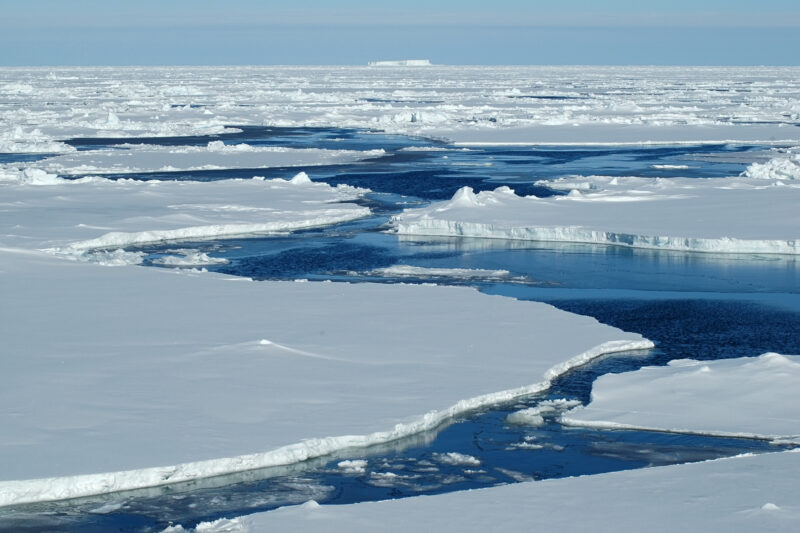
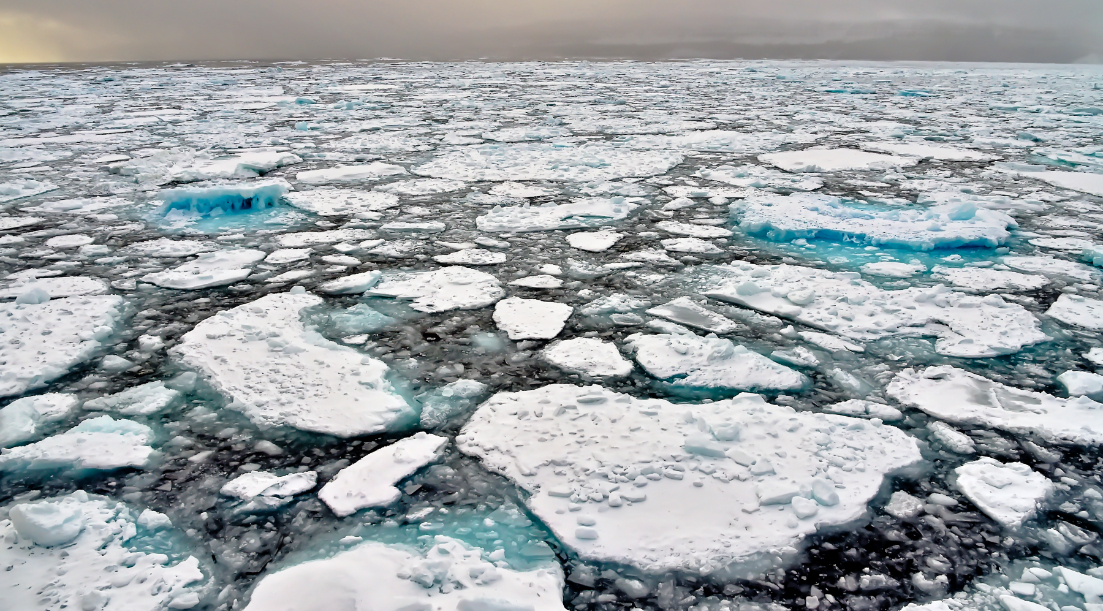
Excitement builds as we sail the Beaufort Sea. Whether you are out on deck or in the comfort of one of theobservation lounges, watch as the captain navigates our state-of-the-art vessel through these waterways, which arefrozen for most of the year. Keep a close watch for wildlife including Beluga whales and polar bears that are oftenseen here.Cruising further west, we hope to Zodiac cruise (subject to permitting) to Herschel Island. This historic island,inhabited by the Thule people for over a millennium, was first charted by Sir John Franklin in 1825. It latertransformed into a bustling whaling station during the late 19th century, supporting a winter community ofhundreds and a fleet of ships. However, the industry's decline in the early 20th century led to the island's gradualabandonment. Today, protected as a territorial park, Herschel Island offers a unique glimpse into the region's richhistory and stunning Arctic wilderness.At Prudhoe Bay, we farewell Canada and enter the United States.
Nunavut
Days 26-27

Bering Strait Seas

As we sail westwards to Nome, along the northern coast of Alaska to where the U.S and Russia are only 100 km (60miles) apart, separated by the Bering Sea, there is ample time to reflect on our adventures while scanning the waterfor marine life. Share, edit and submit pictures in our photo competition and attend final lectures from our team ofonboard experts. We hope to get permission to ship cruise close by Little Diomede and King islands in Alaska.
nome
Day 28

Nome, Alaska

In Nome, farewell your expedition team and crew after sharing a once-in-a-lifetime voyage together. Afterdisembarking, we transfer to the airport for a charter flight to Anchorage for an overnight stay.Accommodation: Captain Cook Hotel Anchorage (or similar)

Nome is located on the edge of the Bering Sea, on the southwest side of the Seward Peninsula. Unlike other towns which are named for explorers, heroes or politicians, Nome was named as a result of a 50 year-old spelling error. In the 1850's an officer on a British ship off the coast of Alaska noted on a manuscript map that a nearby prominent point was not identified. He wrote "? Name" next to the point. When the map was recopied, another draftsman thought that the тАЬ?тАЭ was a C and that the тАЬaтАЭ in "Name" was an o, and thus a map-maker in the British Admiralty christened "Cape Nome." The area has an amazing history dating back 10,000 years of Inupiaq Eskimo use for subsistence living. Modern history started in 1898 when "Three Lucky SwedesтАЭ, Jafet Lindberg, Erik Lindblom and John Brynteson, discovered gold in Anvil CreekтАжthe rush was on! In 1899 the population of Nome swelled from a handful to 28,000. Today the population is just over 3,500. Much of Nome's gold rush architecture remains.

Day 29

Anchorage, Alaska

Transfer to the airport for your onward journey.

Anchorage is the largest city in Alaska. Located between mountains, it is a beautiful mixture of urban and wilderness. Thanks to its proximity to the Chugach State Park with its 45 species of mammals and the city's rich history, there is so much to be seen in this unique destination.

Map

Need advice?

It's good to talk to people who have been there.

No hard sell. Just excellent advice.
And Penguins.

Choose Your Date
Loading new tour date...
Next Step - Choose Your Cabin

The Ship

Introducing
The Greg Mortimer is the perfect choice for travellers looking for a small expedition ship with a great expedition team. Expedition cruises on Greg Mortimer focus on maximising time off the ship exploring. The ship offers a wide variety of optional activities, such as sea kayaking and polar diving (previous experience is required).

Choose Your Cabin

Deck Plan

Deck 3 Greg Mortimer

See Similar Cruises

Request Reservation

Cabin Name

For a no obligation quote please fill in your details.

Enquire

Cabin Name

Please fill in your details to make an enquiry.